Foreign exchange market sets the stage for this enthralling narrative, offering readers a glimpse into a story that is rich in detail and brimming with originality from the outset. The concept of the foreign exchange market unfolds with intricate details and engaging insights throughout this exploration.
Overview of the Foreign Exchange Market
The foreign exchange market, also known as the forex market, is where currencies are traded. It is the largest financial market in the world, with trillions of dollars exchanged daily. Participants in this market include governments, central banks, financial institutions, corporations, and individual traders.




Main Participants in the Foreign Exchange Market
- Central Banks: Central banks play a crucial role in the forex market by setting interest rates, managing monetary policy, and intervening to stabilize their country’s currency.
- Financial Institutions: Banks, hedge funds, and other financial institutions facilitate currency trading for their clients and engage in speculative trading to make profits.
- Corporations: Multinational corporations participate in the forex market to hedge against currency risk when conducting international business transactions.
- Individual Traders: Retail traders, including individual investors, speculators, and day traders, also participate in the forex market through online trading platforms.
Role of Central Banks in Regulating the Foreign Exchange Market
Central banks have several key roles in regulating the foreign exchange market:
- Interest Rate Policy: Central banks use interest rates to influence the value of their currency and control inflation.
- Intervention: Central banks intervene in the market by buying or selling currencies to stabilize exchange rates and prevent excessive volatility.
- Reserve Management: Central banks hold foreign exchange reserves to ensure liquidity and support their currency in times of need.
- Regulatory Oversight: Central banks regulate financial institutions and monitor the forex market to prevent fraud, manipulation, and other illegal activities.
Types of Foreign Exchange Transactions
Foreign exchange transactions are essential for businesses and investors to manage currency risk and facilitate international trade. There are several types of foreign exchange transactions, including spot, forward, currency swaps, and options.
Spot and Forward Foreign Exchange Transactions
Spot transactions involve the immediate exchange of currencies at the current exchange rate. These transactions are settled within two business days. On the other hand, forward transactions involve the exchange of currencies at a specified future date and exchange rate. This allows parties to lock in a rate for a future transaction, providing certainty in volatile markets.
Currency Swaps
Currency swaps involve the exchange of principal and interest payments in one currency for the same in another currency. This type of transaction helps parties access foreign currencies without actually borrowing in foreign markets. Currency swaps are commonly used by multinational corporations to manage their exposure to exchange rate fluctuations.
Options in Managing Foreign Exchange Risk
Options provide the holder with the right, but not the obligation, to buy or sell a currency at a specified exchange rate within a set period. This flexibility allows businesses and investors to hedge against unfavorable exchange rate movements while benefiting from favorable ones. Options play a crucial role in managing foreign exchange risk by providing a level of protection and potential profit.
Major Currency Pairs
In the foreign exchange market, major currency pairs are the most traded pairs that involve the US dollar (USD) and another major currency. These pairs are highly liquid and typically have lower spreads compared to exotic currency pairs.
Euro/US Dollar (EUR/USD)
The EUR/USD is the most traded currency pair in the world. It represents the exchange rate between the Euro, the official currency of the Eurozone, and the US dollar. This pair is highly sensitive to economic indicators from both regions, such as GDP, employment data, and interest rates.
US Dollar/Japanese Yen (USD/JPY)
The USD/JPY is another major currency pair that represents the exchange rate between the US dollar and the Japanese Yen. This pair is influenced by factors such as the Bank of Japan’s monetary policy, US economic data, and geopolitical events in Asia.
British Pound/US Dollar (GBP/USD)
The GBP/USD pair, also known as the “Cable,” represents the exchange rate between the British Pound and the US dollar. It is heavily influenced by economic data from the UK, such as inflation, GDP growth, and Brexit developments.
US Dollar/Swiss Franc (USD/CHF)
The USD/CHF pair represents the exchange rate between the US dollar and the Swiss Franc. This pair is often used as a safe-haven currency during times of market uncertainty. It is influenced by factors such as Swiss economic data, US economic indicators, and global geopolitical events.
Australian Dollar/US Dollar (AUD/USD)
The AUD/USD pair represents the exchange rate between the Australian Dollar and the US dollar. It is influenced by commodity prices, Australian economic data, and the overall risk sentiment in the financial markets.
Geopolitical Events Impact
Geopolitical events can have a significant impact on the value of major currency pairs. For example, political instability, trade tensions, and natural disasters can create volatility in the forex market. Traders often closely monitor geopolitical developments to assess the potential risks and opportunities for major currency pairs.
Factors Influencing Exchange Rates
The exchange rates in the foreign exchange market are influenced by a variety of economic, political, and speculative factors. Understanding these factors is crucial for traders and investors to make informed decisions in the market.
Political stability plays a significant role in influencing exchange rate movements. Countries with stable governments and political systems tend to have stronger currencies as they attract more foreign investments. On the other hand, political uncertainty and instability can lead to a decrease in investor confidence, causing the currency to depreciate.
Speculation also plays a crucial role in determining exchange rates. Traders and investors speculate on the future movements of currencies based on various factors such as economic indicators, geopolitical events, and market trends. This speculation can lead to short-term fluctuations in exchange rates, as traders buy and sell currencies to take advantage of price movements.
Economic Factors Affecting Exchange Rates
- Economic indicators such as GDP growth, inflation rates, and employment data can impact exchange rates.
- Interest rates set by central banks influence the attractiveness of a currency for investors.
- Trade balances and current account deficits can also affect exchange rates as they reflect a country’s economic health.
Trading Strategies in the Foreign Exchange Market
When it comes to the foreign exchange market, participants often rely on various trading strategies to navigate the complexities of currency trading. These strategies help traders make informed decisions and maximize their profits. In this section, we will explore some common trading strategies used in the forex market and discuss the importance of technical and fundamental analysis in currency trading.
Common Trading Strategies
- Day Trading: This strategy involves making multiple trades within a single day to take advantage of small price movements.
- Swing Trading: Traders using this strategy aim to capture short to medium-term gains by holding positions for a few days to weeks.
- Trend Trading: Traders follow the trend of a particular currency pair and aim to profit from sustained price movements in the same direction.
- Range Trading: This strategy involves identifying support and resistance levels and trading within a defined price range.
Importance of Technical Analysis
Technical analysis plays a crucial role in currency trading as it involves analyzing historical price charts and using various indicators to predict future price movements. Traders use technical analysis to identify trends, support and resistance levels, and entry and exit points for their trades.
By utilizing technical analysis, traders can make more informed decisions based on historical price data and market trends.
Application of Fundamental Analysis
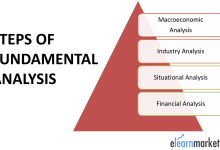
Fundamental analysis focuses on economic indicators, geopolitical events, and market news to predict currency movements. Traders using fundamental analysis assess factors such as interest rates, inflation, unemployment rates, and political stability to determine the intrinsic value of a currency.
Understanding fundamental analysis helps traders anticipate how economic events and news releases may impact currency valuations in the forex market.
Risks Associated with Foreign Exchange Trading
When participating in the foreign exchange market, traders face various risks that can impact their investments and trading strategies. It is crucial to understand these risks and how to manage them effectively to minimize potential losses.
Types of Risks in Foreign Exchange Trading
- Exchange Rate Risk: This risk arises from the fluctuation of exchange rates, which can lead to losses in trading positions.
- Interest Rate Risk: Changes in interest rates can affect currency values and impact trading decisions.
- Credit Risk: There is a risk of counterparty default when engaging in foreign exchange transactions.
- Liquidity Risk: Lack of market liquidity can make it difficult to enter or exit positions at desired prices.
Impact of Leverage on Foreign Exchange Trading
Leverage allows traders to control larger positions with a smaller amount of capital. While leverage can amplify profits, it also significantly increases the level of risk. High leverage can lead to substantial losses if trades move against the trader.
It is important to use leverage cautiously and consider the potential risks involved in trading with leverage.
Managing and Mitigating Risks in Foreign Exchange Trading
- Set Stop-Loss Orders: Establishing stop-loss orders can help limit potential losses by automatically closing out positions at predetermined levels.
- Diversify Your Portfolio: Spreading your investments across different currency pairs can help reduce risk exposure.
- Stay Informed: Continuously monitor market developments, economic indicators, and geopolitical events that can impact exchange rates.
- Utilize Risk Management Tools: Hedge your positions using options, futures, or other risk management instruments to protect against adverse market movements.
Role of Central Banks in Foreign Exchange Interventions
Central banks play a crucial role in the foreign exchange market by using various tools and techniques to influence exchange rates. These interventions are aimed at achieving monetary policy objectives and maintaining stability in the currency markets.
Tools and Techniques Used by Central Banks
Central banks can intervene in the foreign exchange market through direct interventions, where they buy or sell currencies, or through indirect interventions, such as changing interest rates or implementing monetary policy measures. They can also use verbal interventions to signal their intentions to the market.
Effects of Central Bank Interventions on Exchange Rates
Central bank interventions can have short-term effects on exchange rates by influencing market sentiment and trading activities. However, the long-term impact of these interventions is often limited, as market forces ultimately determine exchange rate movements.
Pros and Cons of Central Bank Involvement
– Pros:
Central bank interventions can help stabilize currency markets and prevent excessive volatility. They can also support economic growth and maintain price stability.
– Cons:
However, central bank interventions can distort market mechanisms and create moral hazard. They may also lead to unintended consequences and create challenges for policymakers.
Forex Market Liquidity
Liquidity in the foreign exchange market refers to the ease with which currencies can be bought or sold without causing significant price movements. It is a key characteristic of the forex market that determines how quickly and efficiently traders can enter or exit positions.
Importance of Liquidity for Efficient Currency Trading
Liquidity is crucial for efficient currency trading as it ensures that traders can execute orders at desired prices and volumes. High liquidity means tighter bid-ask spreads, reducing trading costs, and minimizing the impact of large orders on the market.
Factors Influencing Liquidity in the Forex Market
- Market Hours: Liquidity tends to be higher when major financial centers overlap, such as during the London-New York trading session.
- Market Participants: The presence of institutional investors, banks, and market makers contributes to higher liquidity levels.
- Economic Data Releases: High-impact economic events can lead to increased volatility and liquidity in the forex market.
- Market Depth: Deeper markets with a larger number of buyers and sellers typically exhibit higher liquidity.
- Political Stability: Uncertainty or geopolitical events can impact market liquidity as traders may be more cautious.
Forex Market Sessions
The foreign exchange market operates 24 hours a day, five days a week, thanks to the different major market sessions around the world. Understanding these sessions is crucial for forex traders to maximize their trading opportunities.
Major Forex Market Sessions
- Asian Session: This session starts with Tokyo opening at around 7:00 PM (EST) and accounts for about 21% of total forex trading volume.
- European Session: London is the primary financial center in this session, opening at 3:00 AM (EST). It represents approximately 37% of total forex trading volume.
- American Session: New York dominates this session, opening at 8:00 AM (EST) and contributing around 17% of total forex trading volume.
Overlap between the European and American sessions (8:00 AM to 12:00 PM EST) is the most liquid time in the forex market.
Impact of Market Sessions on Currency Volatility
Each session has its unique characteristics that influence currency volatility. For instance, the Asian session tends to be less volatile compared to the European and American sessions due to lower trading volume. Overlaps between sessions often lead to increased volatility as traders from different regions are actively participating in the market.
Role of Brokers in the Forex Market
Forex brokers play a crucial role in facilitating currency trading by acting as intermediaries between retail traders and the interbank market. They provide a platform for traders to access the foreign exchange market and execute buy or sell orders.
Types of Forex Brokers
- ECN Brokers: Electronic Communication Network (ECN) brokers offer direct access to the interbank market, allowing traders to interact with liquidity providers such as banks and other traders. They typically charge a commission on trades and offer tight spreads.
- STP Brokers: Straight Through Processing (STP) brokers route client orders directly to liquidity providers without any dealing desk intervention. They earn revenue through markups on spreads and do not take the opposite side of clients’ trades.
- Market Makers: Market makers create a market for their clients by taking the opposite side of the trade. They profit from the spread between the buying and selling prices they offer. While they provide liquidity, there may be a conflict of interest since they profit when traders lose.
Factors to Consider When Choosing a Forex Broker
- Regulation: Ensure the broker is regulated by a reputable financial authority to protect your funds and ensure fair trading practices.
- Trading Costs: Consider spreads, commissions, and any other fees charged by the broker to assess the overall cost of trading.
- Trading Platforms: Evaluate the trading platforms offered by the broker for ease of use, functionality, and availability of analytical tools.
- Customer Service: Look for brokers with responsive customer support to address any issues or queries promptly.
- Execution Speed: Fast order execution is essential in forex trading to capitalize on market opportunities without delays.
Technology and Innovation in the Forex Market
Technology has played a significant role in shaping the landscape of the foreign exchange market. From the introduction of electronic trading platforms to the development of sophisticated algorithms, advancements in technology have revolutionized how forex trading is conducted. In this section, we will explore the impact of technology on the evolution of the forex market, the role of algorithmic trading and automated systems, as well as how blockchain and cryptocurrencies are influencing the industry.
Role of Algorithmic Trading and Automated Systems
Algorithmic trading, also known as algo trading, utilizes computer algorithms to execute trades at high speeds and frequencies. These algorithms are designed to analyze market data, identify trading opportunities, and automatically place trades without human intervention. By leveraging algorithms, traders can execute trades more efficiently and effectively, taking advantage of market movements in real-time.
Automated systems, on the other hand, are programmed trading systems that can automatically execute trades based on predefined criteria. These systems can be set to enter and exit trades, manage risk, and execute complex trading strategies without the need for manual intervention. Automated trading systems help traders remove emotions from their trading decisions and ensure consistency in executing their trading plans.
Impact of Blockchain and Cryptocurrencies
Blockchain technology has introduced a new dimension to the forex market by offering decentralized and secure transaction processing. Cryptocurrencies, such as Bitcoin and Ethereum, have gained popularity as alternative investment assets and are increasingly traded in the forex market. The use of blockchain technology in forex trading provides transparency, security, and efficiency in executing transactions, which can help reduce counterparty risks and settlement times.
The integration of cryptocurrencies into the forex market has opened up new trading opportunities and created a more diverse trading environment. Traders can now access a broader range of assets to trade, including cryptocurrencies, which have their own unique market dynamics and trading characteristics. As blockchain technology continues to evolve, we can expect further innovations in the forex market, driven by the adoption of digital currencies and decentralized trading platforms.
Final Conclusion
As we conclude this discussion on the foreign exchange market, it becomes evident that the complexities and nuances of this financial realm offer a captivating journey for those willing to delve deeper into the world of currency trading.

Hi, I’m Lauren. As a digital enthusiast and storyteller, I love breaking down complex ideas into easy-to-read articles. My goal is to provide readers with fresh perspectives and helpful solutions through every piece I write.