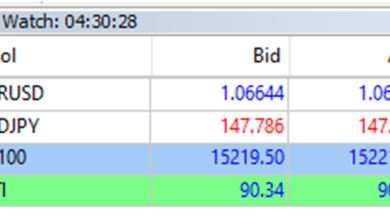
Trading platform, a pivotal tool in the financial world, has transformed significantly over the years. From its key features to robust security measures, this overview delves into the intricate details shaping the trading landscape.
Explore how user interface design influences trading efficiency, the significance of order execution speed, and the diverse asset classes available for trading.




Overview of Trading Platforms
A trading platform is a software interface that allows traders to buy and sell financial instruments such as stocks, bonds, currencies, and commodities. Its primary purpose is to provide a platform for traders to execute trades, access market information, and manage their investment portfolios.
Over the years, trading platforms have evolved from traditional phone-based trading to sophisticated electronic platforms that offer real-time trading, advanced charting tools, and algorithmic trading capabilities. These platforms have democratized access to financial markets, allowing individual investors to participate in trading activities that were once reserved for institutional investors.
Key Features of Trading Platforms
- Real-time market data and quotes
- Order placement and execution
- Charting tools and technical analysis
- Account management and portfolio tracking
- Research and analysis tools
Types of Trading Platforms
Trading platforms can be categorized into different types based on their delivery methods and accessibility:
- Web-based platforms: These platforms are accessible through a web browser and do not require any software download. They offer convenience and flexibility for traders who prefer to trade on-the-go.
- Mobile apps: Mobile trading apps provide traders with the ability to trade on their smartphones or tablets. They offer a user-friendly interface and are popular among traders who want to stay connected to the markets at all times.
- Standalone software: Standalone trading platforms are software programs that need to be downloaded and installed on a computer. They offer advanced features and customization options for experienced traders.
User Interface and Experience
User Interface (UI) plays a crucial role in the success of a trading platform as it directly impacts the user experience. A well-designed interface can make trading more efficient, user-friendly, and visually appealing for traders. It can also help in decision-making processes by providing easy access to relevant information and tools.
Importance of a User-Friendly Interface
A user-friendly interface is essential for traders to navigate the platform easily, execute trades quickly, and access important information without any hassle. It helps in reducing the learning curve for new users and enhances overall user experience. A clutter-free design with intuitive features can make trading more efficient and enjoyable for users.
Examples of Well-Designed Trading Platform Interfaces
– MetaTrader 4: Known for its user-friendly interface with customizable features and tools that cater to both beginner and advanced traders.
– Thinkorswim: Offers a sleek and intuitive interface with advanced charting tools and customization options for a personalized trading experience.
– TradingView: Provides a visually appealing interface with interactive charts, social networking features, and a wide range of technical analysis tools.
Role of Customization Options
Customization options allow traders to personalize their trading environment according to their preferences and trading style. This can include changing the layout, color schemes, adding or removing tools/widgets, and setting up alerts. By providing customization options, trading platforms empower users to create a workspace that suits their needs, leading to a more efficient and effective trading experience.
Impact of User Interface Design on Trading Efficiency and Decision-Making
A well-designed user interface can significantly impact trading efficiency by streamlining the process of executing trades, analyzing data, and monitoring market movements. Clear navigation, easy access to tools, and a visually appealing layout can help traders make informed decisions quickly and accurately. On the other hand, a poorly designed interface can lead to confusion, delays in trade execution, and potentially costly mistakes.
Security Measures
Ensuring the security of user data and transactions is paramount for trading platforms. Various security measures are implemented to safeguard sensitive information and prevent unauthorized access.
Encryption Technologies
- Trading platforms utilize encryption technologies to protect data in transit and at rest. Encryption scrambles data into a format that can only be read with the corresponding decryption key, making it unreadable to unauthorized users.
- Secure Socket Layer (SSL) and Transport Layer Security (TLS) are commonly used encryption protocols to establish secure connections between users and the platform, ensuring data integrity and confidentiality.
Authentication Methods
- Two-factor authentication (2FA) is a widely adopted method that requires users to provide two forms of identification before accessing their accounts, adding an extra layer of security.
- Biometric authentication, such as fingerprint or facial recognition, is also becoming increasingly popular for verifying user identities securely and conveniently.
Cybersecurity Threats and Mitigation
- Trading platforms face various cybersecurity threats, including phishing attacks, malware, and DDoS attacks, which can compromise user data and disrupt operations.
- Platforms employ robust cybersecurity measures like intrusion detection systems, firewalls, and regular security audits to detect and prevent threats, minimizing the risk of security breaches.
Trading Tools and Resources
Trading platforms offer a variety of essential tools and resources to aid traders in making informed decisions and maximizing their trading potential.
Charting Tools
- Real-time price charts with customizable indicators
- Technical analysis tools for identifying trends and patterns
- Historical data for backtesting strategies
News Feeds and Analysis Software
- Live news updates on market developments
- Integrated analysis software for fundamental analysis
- Economic calendars to track important events
Educational Resources
- Video tutorials on trading strategies and techniques
- Articles and webinars on market analysis and risk management
- Demo accounts for practice trading without risking real money
Integration of Third-Party Tools and APIs
- Ability to connect with external trading tools for advanced analysis
- Access to third-party APIs for algorithmic trading and automation
- Integration with popular trading platforms for seamless trading experience
Order Execution and Speed
When it comes to trading platforms, order execution speed plays a crucial role in determining the success of trades. The process of order execution involves submitting buy or sell orders in the market and having them executed at the best available price. In this competitive landscape, low latency and high speed are essential to ensure that trades are executed quickly and efficiently.
Order Execution Process
- Traders submit their buy or sell orders through the trading platform.
- The platform processes these orders and matches them with the best available prices in the market.
- Once the order is matched, it is executed, and the trade is completed.
Significance of Low Latency and High Speed
Low latency and high speed are crucial in order execution as they reduce the risk of price slippage and ensure that trades are executed at the desired price.
Comparison of Order Execution Speeds
- Some trading platforms are known for their lightning-fast execution speeds, providing traders with a competitive advantage.
- It is important for traders to choose a platform that offers low latency and high speed to capitalize on market opportunities.
Impact of Trading Algorithms and Automation
- Trading algorithms and automation have revolutionized order execution by enabling trades to be executed automatically based on predefined criteria.
- These tools can help traders react quickly to market movements and execute trades at optimal prices.
Asset Classes and Markets
When it comes to trading platforms, one of the key factors that traders consider is the availability of different asset classes and the diversity of markets they can access. Let’s explore the various asset classes and markets offered by trading platforms.
Asset Classes Available
Trading platforms typically offer a range of asset classes for traders to invest in. Some of the common asset classes available include:
- Stocks: Shares of publicly traded companies.
- Forex: Foreign exchange currencies.
- Cryptocurrencies: Digital assets like Bitcoin and Ethereum.
- Commodities: Raw materials such as gold, oil, and agricultural products.
- Indices: Represents a group of stocks that measure the performance of a specific market.
Markets Accessible
Trading platforms provide access to various markets where traders can buy and sell different assets. Some of the markets accessible through trading platforms include:
- Stock Market: Trading shares of publicly listed companies.
- Forex Market: Trading currency pairs in the foreign exchange market.
- Commodities Market: Trading commodities like gold, oil, and agricultural products.
- Cryptocurrency Market: Trading digital assets like Bitcoin and Ethereum.
Availability Across Platforms
While most trading platforms offer a wide range of asset classes, the availability of specific assets may vary across platforms. Traders should choose a platform that aligns with their preferred asset classes to maximize their trading opportunities.
Impact of Market Volatility
Market volatility can have a significant impact on trading different asset classes. Some assets may be more volatile than others, leading to higher risks but also potential rewards. Traders need to consider the impact of market volatility when trading various asset classes to make informed decisions.
Fees and Commissions
When it comes to trading platforms, understanding the fee structures is crucial for traders to make informed decisions. Different platforms may have varying fee models that can impact overall profitability. In this section, we will break down the fee structures commonly used, compare fee models of different platforms, discuss hidden fees, and analyze the impact of fees and commissions on trading profitability.
Commission-Based Fees
Commission-based fee structures involve charging traders a fee for each trade executed. This fee is usually a percentage of the trade value or a fixed amount per trade. Some platforms offer tiered commission rates based on trading volume or account balance.
Spread-Based Fees
Spread-based fee models involve traders paying the difference between the buying and selling prices of an asset. The spread is the primary way trading platforms make money on trades. Tighter spreads are generally more favorable for traders as they reduce trading costs.
Subscription-Based Fees
Some trading platforms charge subscription fees for access to premium features, research tools, or data services. These fees are typically charged on a monthly or annual basis and can vary based on the level of access provided.
Comparison of Fee Models
It is essential for traders to compare fee models across different platforms to determine which one offers the most cost-effective trading experience. Some platforms may have low commission rates but wider spreads, while others may charge higher commissions but offer tighter spreads.
Hidden Fees and Charges
Traders should be aware of any hidden fees or charges that may not be clearly disclosed by the trading platform. These can include inactivity fees, withdrawal fees, currency conversion fees, or overnight financing charges. It is important to read the platform’s fee schedule carefully to avoid unexpected costs.
Impact on Trading Profitability
Fees and commissions can significantly impact trading profitability. High trading costs can eat into profits, especially for frequent traders or those trading in larger volumes. Traders should consider not only the commission rates but also the overall cost of trading, including spreads and other fees, to maximize profitability.
Customer Support
Responsive customer support is crucial for trading platforms as it plays a significant role in assisting users with any issues they may encounter during their trading activities. Effective customer support ensures that users can get timely help and guidance, leading to a better overall trading experience.
Different Support Channels
- Live Chat: Many trading platforms offer live chat support, allowing users to get immediate assistance from customer support representatives.
- Email: Users can reach out to customer support via email for less urgent inquiries or issues.
- Phone: Some trading platforms provide phone support for users who prefer to speak directly with a customer support agent.
Multilingual Support
Having multilingual support on trading platforms is essential to cater to a diverse user base from around the world. It ensures that users who speak different languages can receive assistance in their preferred language, leading to better communication and understanding.
Exceptional Customer Support Examples
One example of exceptional customer support on trading platforms is when a user received prompt and helpful assistance via live chat to resolve a technical issue that was hindering their trading activities.
Another instance is when a user received personalized support through email, with detailed instructions on how to optimize their trading strategies based on their individual goals and preferences.
Regulation and Compliance
When it comes to trading platforms, regulation and compliance play a crucial role in ensuring the safety and security of users’ funds and information. It is important for trading platforms to adhere to financial regulations in various jurisdictions to maintain transparency and trust among traders.
Regulatory Framework
Trading platforms operate within a complex regulatory framework that varies from one jurisdiction to another. These regulations are put in place to protect investors, prevent fraud, and maintain the integrity of the financial markets. Compliance with these regulations is essential for the legitimacy and credibility of a trading platform.
Role of Regulatory Bodies
Regulatory bodies, such as the Securities and Exchange Commission (SEC) in the United States or the Financial Conduct Authority (FCA) in the UK, oversee the activities of trading platforms to ensure they are operating in accordance with the law. These regulatory bodies have the authority to investigate, enforce compliance, and impose penalties on platforms that fail to meet regulatory standards.
Impact of Regulatory Changes
Changes in regulations can have a significant impact on the operation of trading platforms. For example, new regulations may require platforms to implement additional security measures, disclose more information to users, or restrict certain types of trading activities. Adapting to these changes is crucial for platforms to remain compliant and continue serving their users effectively.
Mobile Trading and Apps
Mobile trading has seen a significant rise in recent years, with more and more traders turning to their smartphones and tablets to execute trades on the go. The availability of trading apps has made it easier for traders to access the markets anytime, anywhere, and has brought a new level of convenience to the trading experience.
Features and Functionalities Comparison
- Mobile trading apps offer a streamlined interface optimized for smaller screens, making it easier to navigate and execute trades quickly.
- Web-based platforms, on the other hand, may have more advanced charting tools and analysis capabilities due to the larger screen size and processing power of computers.
- However, trading apps often provide real-time notifications and alerts, allowing traders to stay updated on market movements and news even when they are not actively monitoring their positions.
Tips for Secure Trading on Mobile Platforms
- Ensure that the trading app is downloaded from a reputable source, such as the official app store, to avoid malware or phishing attacks.
- Use strong, unique passwords and enable two-factor authentication for an added layer of security.
- Avoid trading on public Wi-Fi networks and consider using a VPN for an extra level of protection.
Impact of Mobile Trading
- Mobile trading has revolutionized the accessibility of trading, allowing traders to monitor and execute trades from anywhere in the world with an internet connection.
- It has made trading more convenient and efficient, as traders no longer need to be tied to their desktop computers to participate in the markets.
- However, the convenience of mobile trading also comes with the risk of impulsivity and overtrading, as it is easier to make quick decisions on a mobile device.
Trading Platform Reviews and Ratings
When it comes to choosing a trading platform, reviews and ratings play a crucial role in helping traders assess the quality and reliability of the platform. These reviews provide valuable insights into the user experience, features, and overall performance of the platform, helping potential users make informed decisions.
Criteria for Evaluating Trading Platforms
Users typically evaluate and rate trading platforms based on several key criteria. Some of the common factors considered include:
- User Interface and Experience
- Security Measures
- Trading Tools and Resources
- Order Execution and Speed
- Asset Classes and Markets
- Fees and Commissions
- Customer Support
- Regulation and Compliance
- Mobile Trading and Apps
Comparison of Popular Trading Platforms
Popular trading platforms such as MetaTrader 4, Thinkorswim, and TradingView have garnered a significant amount of feedback and ratings from users. While each platform has its strengths and weaknesses, users often compare them based on factors like user-friendliness, available features, and reliability.
Role of Online Communities in Sharing Reviews
Online trading communities and forums play a vital role in sharing trading platform reviews and ratings. Traders often share their experiences, tips, and feedback on different platforms, helping others make informed decisions. These platforms serve as a valuable resource for traders looking to gather insights from real users.
Final Wrap-Up
In conclusion, trading platforms play a vital role in modern finance, offering a plethora of tools and resources to traders worldwide. With a keen focus on security, user experience, and market accessibility, these platforms continue to revolutionize the way we trade.

Hi, I’m Lauren. As a digital enthusiast and storyteller, I love breaking down complex ideas into easy-to-read articles. My goal is to provide readers with fresh perspectives and helpful solutions through every piece I write.