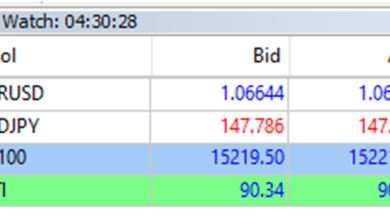
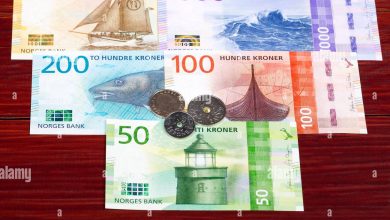
Exchange rate volatility plays a crucial role in global economics, influencing businesses, investments, and international trade. This comprehensive overview explores the definition, impact, and management of exchange rate fluctuations, shedding light on its significance in today’s interconnected world.
Definition of Exchange Rate Volatility
Exchange rate volatility refers to the degree of fluctuation in the exchange rate of a currency pair over a certain period. It indicates how much the value of a currency can change in relation to another currency.




Importance of Exchange Rate Volatility in Economics
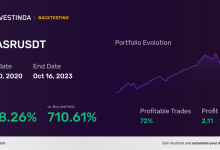
Exchange rate volatility plays a crucial role in the global economy as it affects international trade, investments, and overall economic stability. It can impact the competitiveness of a country’s exports and imports, influence foreign direct investment decisions, and affect the purchasing power of consumers.
- Increased exchange rate volatility can lead to uncertainty for businesses, making it difficult for them to plan and make strategic decisions.
- High volatility in exchange rates can also result in higher transaction costs for companies engaged in international trade.
- Exchange rate fluctuations can affect a country’s balance of payments and impact its economic growth and inflation rates.
Factors Contributing to Exchange Rate Volatility
- Economic Indicators: Factors such as interest rates, inflation rates, GDP growth, and employment data can influence exchange rate volatility.
- Market Speculation: Speculative trading in the foreign exchange market can lead to sudden and significant fluctuations in exchange rates.
- Political Events: Political instability, elections, and geopolitical tensions can impact exchange rate volatility as they create uncertainty in the markets.
- Market Sentiment: Investor sentiment and market psychology can also contribute to exchange rate volatility, as fear or optimism can drive currency movements.
Impact of Exchange Rate Volatility on Businesses
Exchange rate volatility can have a significant impact on businesses, especially those engaged in international trade or with foreign operations. Fluctuations in exchange rates can affect a company’s competitiveness, profitability, and cash flow, leading to various challenges and uncertainties.
Effects on Businesses
Exchange rate volatility can lead to increased costs for businesses that rely on imports or exports. Sudden changes in exchange rates can make imported raw materials or products more expensive, reducing profit margins. On the other hand, companies exporting goods may find their products less competitive in foreign markets due to unfavorable exchange rates.
Strategies to Manage Exchange Rate Volatility
Businesses can employ several strategies to mitigate the impact of exchange rate fluctuations. One common approach is hedging, where companies use financial instruments such as forward contracts or options to lock in exchange rates for future transactions. This helps reduce the risk of unexpected losses due to currency fluctuations.
Another strategy is diversification, where companies spread their operations across different countries and currencies to minimize the impact of exchange rate movements in a single market. By diversifying their revenue streams, businesses can reduce their overall exposure to exchange rate volatility.
Examples of Businesses Affected by Exchange Rate Volatility
One prominent example of a company impacted by exchange rate volatility is multinational corporations like Apple Inc. The tech giant generates a significant portion of its revenue from international markets, making it vulnerable to fluctuations in exchange rates. Changes in currency values can affect Apple’s pricing strategies, profitability, and overall financial performance.
Similarly, companies in the travel and tourism industry, such as airlines and hotel chains, are highly sensitive to exchange rate movements. Fluctuations in currency values can impact travel demand, pricing, and operating costs, leading to challenges in revenue management and profitability.
Overall, exchange rate volatility remains a critical factor for businesses operating in the global marketplace, requiring proactive risk management strategies to navigate uncertainties and maintain financial stability.
Role of Central Banks in Managing Exchange Rate Volatility
Central banks play a crucial role in stabilizing exchange rates to ensure economic stability and promote growth. By managing exchange rate volatility, central banks aim to maintain price stability, support trade, and attract foreign investment.
Tools and Mechanisms Used by Central Banks
Central banks employ various tools and mechanisms to control exchange rate volatility, such as:
- Foreign Exchange Market Interventions: Central banks buy or sell currencies to influence exchange rates and stabilize markets.
- Monetary Policy: Adjusting interest rates can impact exchange rates by influencing capital flows and investor confidence.
- Foreign Exchange Reserves: Central banks hold reserves of foreign currencies to intervene in the market and manage exchange rate fluctuations.
- Forward Guidance: Central banks communicate their future policy intentions to guide market expectations and reduce uncertainty.
Comparison of Approaches by Different Central Banks
Central banks around the world have varying strategies and approaches to managing exchange rate volatility. For example:
| Central Bank | Approach |
|---|---|
| Federal Reserve (US) | Focuses on interest rate adjustments and communication to influence exchange rates. |
| European Central Bank (ECB) | Uses a combination of monetary policy tools and forward guidance to stabilize exchange rates. |
| Bank of Japan (BOJ) | Intervenes in the foreign exchange market and holds extensive reserves to manage exchange rate volatility. |
Effect of Exchange Rate Volatility on International Trade
Exchange rate volatility can have a significant impact on international trade, affecting the competitiveness and profitability of businesses involved in cross-border transactions. Fluctuations in exchange rates can lead to uncertainty in pricing, making it challenging for businesses to forecast costs and revenues accurately.
Impact on International Trade
- Exchange rate volatility can affect the competitiveness of a country’s exports by making them more expensive for foreign buyers. This can lead to a decrease in export volumes and loss of market share.
- Importers also face challenges due to fluctuating exchange rates, as the cost of imported goods can vary unpredictably. This can impact profit margins and pricing strategies.
- Small and medium-sized enterprises (SMEs) are particularly vulnerable to exchange rate volatility, as they may not have the resources to hedge against currency risks effectively.
Countries Facing Challenges
- Argentina is an example of a country that has experienced severe economic downturns due to exchange rate volatility. Fluctuations in the Argentine peso have led to inflation and economic instability.
- Venezuela is another country that has faced challenges with exchange rate volatility, resulting in hyperinflation and a decline in international trade.
Hedging Strategies for Businesses
- One common hedging strategy used by businesses to mitigate the risks of exchange rate volatility is forward contracts. These contracts allow businesses to lock in a specific exchange rate for future transactions, reducing uncertainty.
- Another hedging technique is diversification, where businesses spread their currency exposure across multiple currencies to minimize the impact of fluctuations in any one exchange rate.
- Using financial derivatives such as options and swaps can also help businesses hedge against currency risks in international trade.
Relationship Between Exchange Rate Volatility and Inflation
The relationship between exchange rate volatility and inflation is crucial in understanding the impact of currency fluctuations on the overall economy. Changes in exchange rates can have a direct influence on inflation rates, affecting prices of imported goods, production costs, and overall consumer spending.
Impact of Exchange Rate Volatility on Inflation
Exchange rate volatility can lead to changes in the prices of imported goods, as a stronger local currency makes imports cheaper and a weaker currency makes imports more expensive. This change in the cost of imports can directly impact inflation rates, as the prices of goods and services in the economy are affected.
- For example, if a country’s currency depreciates significantly, the cost of imported raw materials and goods will increase. This increase in production costs can lead to higher prices for finished goods, ultimately contributing to inflation.
- Conversely, if a country’s currency appreciates, the cost of imported goods decreases, which can help lower inflation rates by reducing the prices of consumer goods.
Real-World Examples of Exchange Rate Volatility Impacting Inflation
- In 2016, after the Brexit referendum, the British Pound experienced significant depreciation against major currencies. This led to a rise in the cost of imported goods in the UK, contributing to higher inflation rates.
- In Venezuela, hyperinflation was exacerbated by extreme exchange rate volatility, leading to a continuous depreciation of the local currency. This resulted in skyrocketing prices for goods and services, causing a severe inflation crisis.
Impact of Exchange Rate Volatility on Investments
Exchange rate volatility can have a significant impact on investment decisions, as it introduces uncertainty and risk into the financial markets. Investors need to consider how fluctuations in exchange rates can affect the value of their investments and the potential returns they may receive.
Strategies to Mitigate Risks Associated with Exchange Rate Volatility
- Diversification: Investors can mitigate the risks of exchange rate volatility by diversifying their investment portfolios across different currencies. This can help spread the risk and reduce the impact of adverse exchange rate movements on overall returns.
- Hedging: Another strategy is to use hedging instruments such as forward contracts or options to protect against unfavorable exchange rate movements. By hedging their currency exposure, investors can lock in exchange rates and minimize potential losses.
- Monitoring Economic Indicators: Keeping a close eye on economic indicators and geopolitical events that can influence exchange rates is crucial for investors. This information can help investors make informed decisions and adjust their investment strategies accordingly.
Examples of How Exchange Rate Volatility has Influenced Investment Markets
- During times of heightened exchange rate volatility, investors may become more risk-averse and seek safe-haven assets such as gold or government bonds. This can lead to fluctuations in the prices of these assets.
- Exchange rate fluctuations can also impact the competitiveness of companies that rely on exports. A strong domestic currency can make exports more expensive for foreign buyers, leading to reduced demand and lower profits for these companies.
- Investors in emerging markets may face increased risks due to exchange rate volatility, as these markets are often more vulnerable to external shocks and currency fluctuations. This can result in higher levels of uncertainty and greater potential for losses.
Factors Contributing to Exchange Rate Volatility
Exchange rate volatility is influenced by various factors that can lead to fluctuations in currency values. Understanding these key factors is crucial for businesses and investors to navigate the uncertainties in the foreign exchange market.
Political Events Impact
Political events play a significant role in driving exchange rate volatility. Any political instability, elections, or changes in government policies can create uncertainty in the market, leading to fluctuations in exchange rates. For example, Brexit in the UK and the US-China trade tensions have both contributed to significant fluctuations in currency values.
Market Speculation Role
Market speculation also plays a crucial role in exacerbating exchange rate volatility. Traders, investors, and financial institutions often engage in speculative trading, trying to profit from short-term movements in currency prices. This speculative activity can amplify the volatility in exchange rates, as large volumes of trades based on speculation can lead to rapid and significant price changes.
Measures to Forecast Exchange Rate Volatility
Forecasting exchange rate volatility is crucial for businesses and investors to make informed decisions. Various methods are employed to predict potential changes in exchange rates, each with its own level of accuracy and limitations.
Statistical Models
One common method used to forecast exchange rate volatility is through statistical models such as the Autoregressive Integrated Moving Average (ARIMA) or Generalized Autoregressive Conditional Heteroskedasticity (GARCH) models. These models analyze historical data to predict future exchange rate movements based on patterns and trends.
Economic Indicators
Economic indicators such as interest rates, inflation rates, and GDP growth are also utilized to forecast exchange rate volatility. Changes in these indicators can signal potential shifts in exchange rates, providing valuable insights for forecasting.
Market Sentiment Analysis
Another approach involves analyzing market sentiment and investor behavior to predict exchange rate volatility. Sentiment indicators, such as surveys or news sentiment analysis, can offer valuable information on market expectations and potential currency movements.
Limitations and Accuracy
While forecasting models can provide valuable insights, they are not foolproof. Exchange rate volatility is influenced by various unpredictable factors such as geopolitical events, economic shocks, and market sentiment. As a result, forecasting models may not always accurately predict future exchange rate movements.
Examples of Forecasting Success and Failure
Successful attempts to predict exchange rate volatility can be seen in cases where economic indicators align with actual exchange rate movements. For example, if a country’s interest rates increase as predicted, it may lead to a strengthening of its currency as forecasted.
On the other hand, unsuccessful attempts can occur when unforeseen events disrupt the market, causing exchange rates to deviate from predicted trends. For instance, sudden political unrest or natural disasters can lead to unexpected fluctuations in exchange rates, challenging the accuracy of forecasting models.
Regional Variances in Exchange Rate Volatility
Exchange rate volatility can vary significantly across different regions of the world, impacting businesses, investments, and international trade. Understanding the reasons behind these regional variances is crucial for navigating the global economy.
Comparison of Exchange Rate Volatility in Different Regions
Exchange rate volatility tends to be higher in emerging markets compared to developed economies. For example, regions like Latin America and Asia often experience greater fluctuations in exchange rates due to factors such as political instability, economic uncertainties, and fluctuating commodity prices.
Reasons Behind Variations in Exchange Rate Volatility
The variations in exchange rate volatility among different regions can be attributed to a myriad of factors, including economic growth rates, inflation levels, interest rates, political stability, and external trade dependencies. For instance, regions with high inflation rates and unstable political environments are more likely to experience higher exchange rate volatility.
Influence of Regional Economic Conditions on Exchange Rate Volatility
Regional economic conditions play a significant role in influencing exchange rate volatility. For example, a sudden change in government policies, natural disasters, or geopolitical tensions can lead to sharp fluctuations in exchange rates within a specific region. Additionally, trade imbalances, debt levels, and currency pegs can also impact exchange rate stability in different regions.
Technological Innovations Impacting Exchange Rate Volatility
Technological advancements have significantly impacted exchange rate volatility by introducing new tools and platforms that influence market dynamics. One key aspect is the role of high-frequency trading and algorithms in exacerbating exchange rate volatility, leading to rapid fluctuations in currency values. These automated trading systems can execute trades at incredibly high speeds, reacting to market changes within milliseconds, thereby amplifying the overall volatility in exchange rates.
Impact of High-Frequency Trading
- High-frequency trading involves the use of complex algorithms to analyze market data and execute trades at lightning speed.
- This rapid trading activity can lead to sudden and sharp movements in exchange rates, as algorithms respond to even the smallest price changes.
- While high-frequency trading can enhance market liquidity, it also introduces a higher level of uncertainty and volatility, making it challenging for businesses to predict currency movements accurately.
Examples of Technological Innovations Shaping Exchange Rate Markets
- Electronic trading platforms: Online platforms have revolutionized the way currencies are traded, allowing for real-time transactions and price quotes.
- Algorithmic trading: Automated trading strategies based on algorithms have become prevalent in the foreign exchange market, influencing exchange rate movements.
- Data analytics tools: Advanced data analytics technologies enable traders to analyze vast amounts of information quickly, impacting trading decisions and, consequently, exchange rate volatility.
Future Trends in Exchange Rate Volatility
The future trends in exchange rate volatility are subject to various factors such as global economic shifts and technological advancements that are likely to impact the stability of exchange rates in the coming years.
Impact of Global Economic Shifts
Global economic shifts, including changes in interest rates, inflation rates, and economic growth, can significantly impact exchange rate volatility. For example, a rise in interest rates in a particular country may attract foreign investors, leading to an appreciation of the local currency and reduced exchange rate volatility. On the other hand, political instability or economic downturns can lead to increased exchange rate volatility as investors seek safer investments in more stable currencies.
Implications of Emerging Technologies
Emerging technologies such as blockchain and artificial intelligence are revolutionizing the way financial transactions are conducted. These technologies have the potential to streamline cross-border transactions and reduce the costs associated with currency exchange. As a result, the adoption of these technologies may lead to increased market efficiency and reduced exchange rate volatility.
Speculation on Potential Future Trends
In the future, we may see a shift towards more stable exchange rates as central banks and policymakers implement measures to mitigate volatility. Additionally, advancements in financial technology may lead to increased transparency and efficiency in the foreign exchange market, reducing the likelihood of sudden fluctuations in exchange rates.
Conclusion
In conclusion, exchange rate volatility remains a dynamic force shaping various aspects of the economy. By understanding its intricacies and implementing effective strategies, businesses and investors can navigate the challenges posed by fluctuating exchange rates with confidence and resilience.

Hi, I’m Lauren. As a digital enthusiast and storyteller, I love breaking down complex ideas into easy-to-read articles. My goal is to provide readers with fresh perspectives and helpful solutions through every piece I write.