Starting with forex trading strategies, this paragraph aims to provide a captivating overview of how traders can optimize their profits in the forex market through tactical approaches.
As we delve into the intricacies of different trading strategies, we uncover the key components that contribute to success in the ever-evolving forex landscape.




Overview of Forex Trading Strategies
Having a well-defined trading strategy is crucial in the forex market as it helps traders mitigate risks and maximize profits. A solid strategy provides a clear framework for making informed decisions and managing trades effectively.
Components of a Successful Forex Trading Strategy
- Analysis: Conducting thorough market analysis to identify trends and potential entry/exit points.
- Risk Management: Implementing risk management techniques to protect capital and minimize losses.
- Entry and Exit Rules: Establishing clear criteria for entering and exiting trades based on predetermined indicators.
- Position Sizing: Determining the appropriate position size based on risk tolerance and account size.
Types of Forex Trading Strategies
- Day Trading: Involves opening and closing positions within the same trading day to capitalize on intraday price movements.
- Swing Trading: Focuses on capturing short to medium-term trends by holding positions for several days to weeks.
- Scalping: Aims to profit from small price movements by executing high-frequency trades and holding positions for a very short period.
Advantages and Disadvantages of Forex Trading Strategies
- Day Trading:
- Advantages: Offers quick profits, active trading environment, and the ability to capitalize on short-term market fluctuations.
- Disadvantages: High stress levels, increased commission costs, and susceptibility to market noise.
- Swing Trading:
- Advantages: Allows for more relaxed trading style, potential for higher profits than day trading, and less time commitment.
- Disadvantages: Longer holding periods expose positions to overnight risks and potential for missing short-term opportunities.
- Scalping:
- Advantages: Quick execution of trades, potential for multiple small gains throughout the day, and minimal exposure to overnight risks.
- Disadvantages: High transaction costs, demanding on time and attention, and requires a high level of skill and discipline.
Fundamental Analysis in Forex Trading
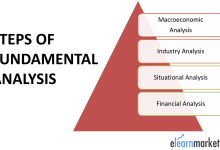
Fundamental analysis is a crucial component in developing effective forex trading strategies. It involves evaluating various economic indicators, geopolitical events, and news to forecast the future direction of currency prices.
Key Economic Indicators
- Gross Domestic Product (GDP): GDP growth rates can indicate the health of a country’s economy and its currency strength.
- Employment Data: Non-farm Payrolls and Unemployment Rates can impact currency values based on job market conditions.
- Inflation Rates: Consumer Price Index (CPI) and Producer Price Index (PPI) can influence interest rates and currency values.
- Central Bank Policies: Statements and decisions by central banks on interest rates and monetary policies can significantly impact forex markets.
Geopolitical Events and News Impact
Geopolitical events such as elections, trade agreements, natural disasters, and conflicts can cause volatility in forex markets. Traders need to stay informed about global news to adjust their trading strategies accordingly.
Comparison of Fundamental Analysis Techniques
| Technique | Description |
|---|---|
| Top-Down Analysis | Examines macroeconomic factors before focusing on specific currency pairs. |
| Bottom-Up Analysis | Analyzes specific currency pairs first before considering broader economic factors. |
| Interest Rate Differentials | Compares interest rates between countries to predict currency movements. |
| Market Sentiment Analysis | Assesses trader sentiment and positioning to gauge market direction. |
Technical Analysis Tools for Forex Trading
Technical analysis tools play a crucial role in helping traders formulate effective forex trading strategies by providing insights into past price movements and potential future trends. These tools help traders identify key entry and exit points, manage risk, and maximize profit potential.
Common Technical Indicators
Forex traders utilize a variety of technical indicators to analyze price movements and make informed trading decisions. Some common technical indicators include:
- Moving Averages: These indicators smooth out price data to identify trends over a specific time period.
- Relative Strength Index (RSI): RSI measures the speed and change of price movements to determine overbought or oversold conditions.
- Moving Average Convergence Divergence (MACD): MACD is a trend-following momentum indicator that shows the relationship between two moving averages.
Chart Patterns in Forex Trading
Chart patterns are visual representations of price movements that can help traders predict future price movements. By recognizing patterns such as head and shoulders, triangles, and double tops/bottoms, traders can make informed decisions on when to enter or exit trades.
Step-by-Step Guide for Using Technical Analysis Tools
- Choose a time frame: Select a time frame that aligns with your trading strategy and goals.
- Select technical indicators: Decide which indicators will help you analyze price movements effectively.
- Analyze price charts: Use technical indicators and chart patterns to identify potential entry and exit points.
- Implement risk management: Set stop-loss orders and take-profit levels to manage risk and protect your capital.
- Monitor and adjust: Continuously monitor your trades and adjust your strategy based on market conditions and new information.
Risk Management Strategies in Forex Trading
Effective risk management is crucial in forex trading to protect capital and minimize potential losses. By implementing various risk management techniques, traders can navigate the volatile market with more confidence and discipline.
Stop-Loss Orders
Stop-loss orders are essential risk management tools that help traders limit their losses by automatically closing a trade at a predetermined price level. This ensures that losses are controlled and prevents emotional decision-making during market fluctuations.
Position Sizing
Position sizing involves determining the appropriate amount of capital to risk on each trade based on the size of the trading account and the level of risk tolerance. By carefully calculating position sizes, traders can protect their capital and avoid significant drawdowns.
Tips for Protecting Capital in Forex Trading
- Set realistic profit targets and risk-reward ratios for each trade to maintain a balanced approach.
- Diversify your trading portfolio to spread risk across different currency pairs and asset classes.
- Regularly review and adjust your risk management plan to adapt to changing market conditions.
Real-Life Examples of Risk Management Strategies
In a scenario where a trader sets a stop-loss order at 2% of their account balance for each trade, they can limit potential losses and protect their capital from significant drawdowns. Similarly, implementing proper position sizing techniques can help traders maintain a sustainable risk-reward balance in their trading activities.
Developing a Winning Forex Trading Plan
When it comes to forex trading, having a well-thought-out trading plan is crucial for success. A trading plan outlines your approach to trading, including your strategies, goals, risk management techniques, and more. Let’s delve into the essential components of a comprehensive forex trading plan and how it can help improve your trading performance.
Setting Clear Goals and Objectives
Having clear and achievable goals is fundamental to developing a winning forex trading plan. Your goals should be specific, measurable, attainable, relevant, and time-bound (SMART). By setting clear goals, you can stay focused, motivated, and disciplined in your trading activities. This clarity helps you make informed decisions and track your progress effectively.
Importance of Backtesting and Refining
Backtesting involves testing your trading strategies using historical data to evaluate their effectiveness. By backtesting your strategies, you can identify strengths and weaknesses, refine your approach, and make necessary adjustments. This process helps you optimize your trading plan, improve your decision-making skills, and increase your chances of success in the forex market.
Best Practices for Creating a Personalized Plan
– Define your trading style: Determine whether you are a day trader, swing trader, or position trader.
– Identify your risk tolerance: Assess how much risk you are willing to take on each trade.
– Set rules for entry and exit: Establish clear criteria for entering and exiting trades based on your analysis.
– Implement proper risk management: Use stop-loss orders, position sizing, and other risk management techniques to protect your capital.
– Keep a trading journal: Record your trades, thoughts, and emotions to learn from your experiences and improve over time.
– Continuously evaluate and adjust: Regularly review your trading plan, identify areas for improvement, and make necessary changes to adapt to market conditions.
By incorporating these best practices into your forex trading plan, you can enhance your trading performance, minimize risks, and increase your chances of achieving consistent profitability in the forex market.
Psychological Aspects of Forex Trading
The world of forex trading is not just about numbers and charts; it also involves a significant psychological component that can greatly influence a trader’s success. Emotions like fear and greed often cloud judgment and lead to impulsive decisions that can result in losses. Therefore, understanding and managing these psychological aspects are crucial for developing effective trading strategies.
Overcoming Emotions in Forex Trading
Emotions like fear and greed can be detrimental to forex trading success. Fear of losing money can lead to hesitation in taking profitable trades, while greed can push traders to overtrade and take unnecessary risks. To overcome these emotions, traders should:
- Stick to a well-defined trading plan and strategy.
- Set clear entry and exit points before entering a trade.
- Practice risk management to limit potential losses.
- Take breaks and avoid trading when feeling overwhelmed or emotional.
The Role of Discipline and Patience
Discipline and patience are essential qualities for successful forex trading. Traders must have the discipline to follow their trading plan meticulously and the patience to wait for the right opportunities. Without these traits, emotions can easily take over, leading to impulsive decisions and losses. To cultivate discipline and patience, traders should:
- Stick to a routine and avoid making impulsive decisions.
- Accept that losses are part of trading and focus on long-term profitability.
- Keep emotions in check by focusing on the process rather than the outcome.
- Practice mindfulness and self-awareness to recognize emotional triggers.
Personal Anecdotes and Case Studies
Many successful traders have shared personal anecdotes and case studies highlighting the impact of psychological aspects on their trading journey. These stories often emphasize the importance of emotional control, discipline, and patience in achieving consistent profitability. By learning from these experiences, traders can gain valuable insights into managing the psychological challenges of forex trading.
Automation and Algorithmic Trading in Forex
Automation and algorithmic trading have revolutionized the way forex trading is conducted, bringing in a new era of efficiency and precision. These technologies utilize pre-programmed instructions to automatically execute trades on behalf of traders based on a set of criteria.
Benefits of Using Trading Robots or Expert Advisors
- 24/7 Trading: Automated systems can trade around the clock, taking advantage of opportunities in different time zones.
- Emotion-Free Trading: Robots follow predefined rules without being influenced by emotions, reducing the impact of human error.
- Backtesting Capabilities: Traders can test their strategies on historical data to optimize performance before risking real money.
- Speed and Accuracy: Automation can execute trades at high speeds and with precision, minimizing delays and errors.
Comparison of Manual Trading vs. Automated Trading
- In terms of efficiency, automated trading can process large amounts of data and execute trades faster than manual trading.
- Accuracy is also improved with automation as it eliminates the potential for human errors and emotions to interfere with decision-making.
Popular Algorithmic Trading Strategies in Forex
- Trend Following: These strategies aim to capitalize on the direction of the market trend by entering positions in the same direction.
- Mean Reversion: This strategy assumes that prices will eventually revert to their historical average, allowing traders to profit from price corrections.
- Arbitrage: Arbitrage strategies involve taking advantage of price differences of the same currency pair across different markets.
Currency Pair Selection Strategies
When it comes to forex trading, selecting the right currency pairs is crucial for the success of a trading strategy. Traders need to consider various factors such as volatility, liquidity, and correlation between currency pairs to make informed decisions and manage risks effectively.
Impact of Currency Correlations
Currency correlations play a significant role in trading decisions and risk management. Understanding how different currency pairs move in relation to each other can help traders diversify their portfolios and reduce the overall risk exposure. For example, if two currency pairs are highly positively correlated, it means they tend to move in the same direction. In contrast, negatively correlated pairs move in opposite directions, providing opportunities for hedging strategies.
Factors to Consider When Choosing Currency Pairs
- Volatility: Traders should consider the volatility of currency pairs to assess potential profit opportunities and risks.
- Liquidity: Highly liquid pairs allow for easier entry and exit from trades without significant price slippage.
- Economic Factors: Economic indicators and news events can impact currency prices, so traders should stay informed.
- Trading Session Overlap: Some currency pairs are more active during specific trading sessions, so traders should align their strategies accordingly.
Diversifying Currency Pair Selections
- Choose Pairs Across Different Regions: Selecting currency pairs from various regions can help spread risk and minimize exposure to specific economic events.
- Mix Major and Minor Pairs: Combining major pairs like EUR/USD with minor pairs like AUD/NZD can provide a balanced approach to trading.
- Include Exotic Pairs: Exotic pairs involve currencies from emerging markets and can offer unique trading opportunities for experienced traders.
Timeframe Analysis in Forex Trading
Timeframe analysis is a crucial aspect of developing effective forex trading strategies as it allows traders to gain a comprehensive view of the market dynamics over different time periods. By analyzing multiple timeframes, traders can identify trends, patterns, and potential entry and exit points with greater accuracy.
Significance of Timeframe Analysis
- Helps traders understand the overall trend in the market
- Allows for better identification of key support and resistance levels
- Aids in determining the optimal entry and exit points for trades
Relationship between Different Timeframes
- Short-term timeframes (such as 1-hour or 4-hour) provide insights into intraday price movements
- Medium-term timeframes (like daily or weekly) help identify broader trends and reversals
- Long-term timeframes (monthly) offer a macro perspective on market direction
Using Multiple Timeframes for Market Analysis
- Traders can use a top-down approach by starting with a higher timeframe to identify the overall trend and then drill down to lower timeframes for precise entry and exit points
- For example, a trader may use the daily chart to determine the long-term trend and the 1-hour chart for optimal entry points based on that trend
Illustration of Multiple Timeframe Analysis
Consider a trader who notices an uptrend on the weekly chart but sees a retracement on the daily chart. By waiting for a pullback on the daily chart within the context of the weekly uptrend, the trader can enter a trade with a higher probability of success.
Backtesting and Optimization of Forex Trading Strategies
Backtesting and optimization are crucial steps in the development of successful forex trading strategies. By testing historical data, traders can assess the viability and performance of their strategies before risking real capital in live trading.
Importance of Backtesting Forex Trading Strategies
Backtesting allows traders to evaluate the effectiveness of their strategies based on past market conditions. It provides valuable insights into potential profitability and risk management, helping traders make informed decisions.
Process of Backtesting and Optimization
- Choose a trading platform or software that supports backtesting functionalities.
- Define the parameters of your trading strategy, including entry and exit rules, stop-loss and take-profit levels.
- Select a specific time period for backtesting, considering different market conditions.
- Analyze the results of the backtest to identify strengths and weaknesses of the strategy.
- Optimize the strategy by making necessary adjustments based on the backtesting results.
Tools and Platforms for Backtesting Forex Strategies
There are several tools and platforms available for traders to conduct backtesting of their forex strategies. Some popular options include:
- MetaTrader 4 and MetaTrader 5: Widely used trading platforms that offer built-in backtesting features.
- TradingView: A web-based platform with advanced charting tools and backtesting capabilities.
- NinjaTrader: A comprehensive trading platform that supports strategy development and backtesting.
Step-by-Step Guide for Effective Backtesting and Optimization
- Define clear and specific trading rules for your strategy.
- Backtest the strategy on historical data to assess its performance.
- Analyze the results and identify areas for improvement or optimization.
- Make necessary adjustments to the strategy based on the backtesting results.
- Repeat the backtesting process to validate the effectiveness of the optimized strategy.
Adaptability and Flexibility in Forex Trading Strategies
In the ever-changing landscape of the forex market, adaptability and flexibility are key traits that traders must possess to navigate through different market conditions successfully. These qualities allow traders to adjust their strategies in response to market dynamics and seize opportunities as they arise.
Importance of Adaptability in Forex Trading
Adaptability is crucial in adjusting forex trading strategies to changing market conditions because the forex market is influenced by various factors such as economic indicators, geopolitical events, and market sentiment. Traders need to be able to adapt their strategies to capitalize on these fluctuations and minimize risks.
Benefits of Flexibility in Trading Approaches
- Flexibility allows traders to switch between different trading styles based on market conditions, such as scalping, day trading, or swing trading.
- Traders who are flexible in their approach can quickly respond to unexpected news or events that impact the market, enabling them to make informed decisions.
- By being open to adjusting their strategies, traders can optimize their risk-reward ratio and maximize their profit potential.
Examples of Successful Traders Demonstrating Adaptability
- George Soros, known for his successful currency speculation, famously adjusted his trading strategies based on economic trends and global events.
- Linda Bradford Raschke, a prominent trader, is known for her ability to adapt to changing market conditions and switch between different trading styles.
Tips for Cultivating Adaptability and Flexibility in Forex Trading
- Stay informed about current market trends and events that could impact currency prices.
- Practice using different trading strategies in a demo account to become comfortable with adjusting your approach.
- Be open to learning from your mistakes and refining your strategies based on feedback and market observations.
- Develop a trading plan that includes contingency measures for unexpected scenarios, allowing you to adapt quickly without emotional decision-making.
Closing Summary
In conclusion, mastering forex trading strategies is not just about predicting market movements but about adapting and refining tactics to navigate various market conditions successfully.

Hi, I’m Lauren. As a digital enthusiast and storyteller, I love breaking down complex ideas into easy-to-read articles. My goal is to provide readers with fresh perspectives and helpful solutions through every piece I write.