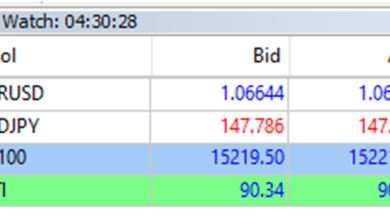
Forex signals play a crucial role in guiding traders towards profitable decisions, offering expert insights and analysis to navigate the complex world of trading.
From understanding different signal types to managing risks effectively, this comprehensive guide explores the intricacies of forex signals and their impact on trading success.




Importance of Forex Signals
Forex signals play a crucial role in the trading world, providing traders with valuable insights and analysis to make informed decisions. These signals help traders navigate the volatile forex market, minimize risks, and maximize profit potential.
Enhanced Decision-Making
Forex signals act as a guiding light for traders, highlighting potential entry and exit points based on market analysis and indicators. By following these signals, traders can make well-informed decisions, capitalizing on profitable opportunities and avoiding potential pitfalls.
- Forex signals can identify trends in the market, helping traders to align their strategies accordingly and ride the wave of profitable trades.
- These signals can also alert traders to potential reversals or corrections, allowing them to adjust their positions and protect their investments.
- By providing timely and accurate information, forex signals empower traders to take calculated risks and seize opportunities for growth.
Successful Trades Influenced by Forex Signals
Many traders have attributed their success to following forex signals diligently. For example, a trader who received a buy signal for a currency pair at a key support level was able to enter the trade at an optimal price point, resulting in a profitable outcome.
“Forex signals are like a compass in the vast sea of the forex market, guiding traders towards profitable opportunities and helping them steer clear of potential risks.”
Types of Forex Signals
Forex signals come in various forms, each offering unique benefits and drawbacks. Understanding the different types can help traders make informed decisions on which signals to use for their trading strategies.
Manual Signals
Manual signals are generated by human analysts or traders who analyze the market conditions and make trading recommendations based on their expertise. These signals are often sent through email, SMS, or a trading platform.
- Advantages of Manual Signals:
- Human touch: Manual signals are based on human analysis, which can take into account qualitative factors that automated systems may overlook.
- Customization: Traders can tailor manual signals to their specific trading preferences and risk tolerance.
- Disadvantages of Manual Signals:
- Time-consuming: Manual analysis can be time-consuming and may lead to delays in signal generation.
- Susceptible to emotions: Human analysts can be influenced by emotions, leading to biased or inaccurate signals.
Automated Signals
Automated signals are generated by algorithms or trading robots that analyze market data and execute trades automatically based on predefined parameters. These signals are often delivered in real-time through trading platforms or specialized software.
- Advantages of Automated Signals:
- Speed and efficiency: Automated signals can react to market changes instantly and execute trades without delay.
- Emotion-free trading: Automated systems eliminate human emotions from the trading process, leading to more disciplined trading.
- Disadvantages of Automated Signals:
- Lack of flexibility: Automated systems may not adapt well to sudden market changes or unexpected events.
- Over-reliance on technology: Technical glitches or system failures can disrupt automated signal generation and execution.
Signal Generation Process
Forex signals are generated through a systematic process that involves both technical and fundamental analysis to provide traders with valuable insights into potential market movements.
Technical Analysis
Technical analysis plays a crucial role in generating forex signals. Traders analyze historical price data, chart patterns, and various technical indicators to identify potential entry and exit points. Common technical indicators used in signal generation include moving averages, MACD, RSI, and Fibonacci retracement levels. These indicators help traders determine market trends, momentum, and potential reversal points.
Fundamental Analysis
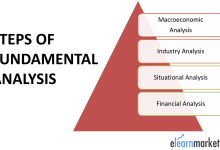
Fundamental analysis focuses on economic and geopolitical factors that can impact currency prices. Traders monitor economic indicators, central bank policies, political events, and news releases to assess the overall health of an economy and its currency. By analyzing fundamental data, traders can anticipate market reactions and make informed trading decisions.
Role of Indicators and Algorithms
Indicators and algorithms play a significant role in signal generation by providing traders with objective data and statistical analysis. Indicators help traders identify trends, confirm price movements, and generate buy or sell signals based on predefined parameters. Algorithms, on the other hand, use complex mathematical formulas to analyze vast amounts of data quickly and efficiently, helping traders automate their trading strategies and make faster decisions.
Overall, the signal generation process combines technical and fundamental analysis with the help of indicators and algorithms to provide traders with valuable insights and trading opportunities in the forex market.
Signal Delivery Methods
In the world of forex trading, timely and efficient delivery of signals is crucial for traders to make informed decisions and maximize their profits. There are various methods through which forex signals are delivered to traders, each with its own advantages and disadvantages.
Email Alerts
Email alerts are one of the most common ways forex signals are delivered to traders. Traders receive signals directly in their email inbox, allowing them to stay updated on market movements and potential trading opportunities. Email alerts are convenient and can be easily accessed from anywhere with an internet connection.
SMS Notifications
SMS notifications are another popular method of delivering forex signals to traders. Traders receive real-time alerts on their mobile phones, ensuring that they never miss out on important market updates. SMS notifications are particularly useful for traders who are constantly on the go and need immediate access to trading signals.
Trading Platforms
Many forex brokers and trading platforms offer built-in signal services to their clients. Traders can access signals directly on their trading platform, eliminating the need for external notifications. This seamless integration allows traders to act quickly on signals without switching between different applications.
The importance of timely signal delivery cannot be overstated in forex trading. Delayed or missed signals can result in missed trading opportunities or even losses. Traders rely on fast and reliable delivery methods to stay ahead of market trends and make well-informed decisions. By choosing the right signal delivery method that suits their trading style, traders can enhance their overall trading experience and improve their chances of success in the forex market.
Accuracy and Reliability of Signals
When it comes to forex signals, accuracy and reliability are crucial factors that traders must consider to make informed decisions and maximize their profits. In this section, we will explore the elements that contribute to the accuracy of forex signals, the significance of reliability in signal providers, and tips on how to verify the credibility of signal sources.
Factors Influencing Signal Accuracy
- Technical Analysis: Signals based on robust technical analysis tend to be more accurate as they rely on historical price data and mathematical calculations to predict future price movements.
- Market Conditions: The volatility and liquidity of the market can affect the accuracy of signals. Traders must consider the current market conditions when interpreting signals.
- Quality of Data: The accuracy of signals is heavily dependent on the quality of data used for analysis. Reliable data sources can enhance the precision of signals.
- Experience of Analysts: Signals generated by experienced and knowledgeable analysts are more likely to be accurate due to their expertise in interpreting market trends.
Significance of Reliability in Signal Providers
- Consistency: Reliable signal providers offer consistent signals that traders can trust to make informed decisions consistently over time.
- Transparency: Transparent signal providers disclose their methodologies and track record, allowing traders to assess their reliability and performance.
- Customer Reviews: Feedback from other traders can help assess the reliability of signal providers. Positive reviews and testimonials indicate a trustworthy source of signals.
- Regulation: Signal providers that are regulated by relevant authorities are more likely to be reliable as they adhere to strict guidelines and standards.
Tips for Verifying Signal Source Credibility
- Track Record: Verify the track record of the signal provider by analyzing their past performance and accuracy of signals.
- Independent Reviews: Look for independent reviews and testimonials from other traders to gauge the credibility of the signal source.
- Free Trials: Utilize free trials offered by signal providers to test the accuracy and reliability of their signals before committing to a subscription.
- Customer Support: Assess the quality of customer support provided by the signal provider to ensure prompt assistance in case of any issues or queries.
Risk Management with Forex Signals
When trading in the forex market, managing risks is crucial to protect your capital and optimize your trading strategy. Forex signals can be a valuable tool in assisting traders with risk management by providing insights and guidance on potential market movements.
Setting Stop-Loss and Take-Profit Levels
Setting stop-loss and take-profit levels is essential when using forex signals to manage risks effectively. Stop-loss orders help limit potential losses by automatically closing a trade at a predetermined price level, while take-profit orders lock in profits by closing a trade when a specific profit target is reached. By incorporating these levels into their trading strategy based on forex signals, traders can control their risk exposure and protect their investments.
Risk Management Strategies
There are various risk management strategies that traders can employ alongside forex signals to safeguard their capital. One common approach is to diversify your trades by spreading investments across different currency pairs or asset classes. This helps reduce the impact of a single trade on your overall portfolio. Additionally, using proper position sizing based on your risk tolerance and account size can help control the amount of capital at risk in each trade. Trailing stop-loss orders can also be implemented to lock in profits as a trade moves in your favor while protecting against potential reversals.
Signal Subscription Services
When it comes to forex trading, signal subscription services play a crucial role in helping traders make informed decisions. These services provide real-time alerts and recommendations based on market analysis, allowing traders to capitalize on potential opportunities.
Popular Platforms Offering Forex Signal Subscriptions
- MetaTrader Signals: One of the most popular platforms offering signal subscriptions, MetaTrader Signals provides a wide range of signal providers to choose from, each with their own trading strategies and performance metrics.
- ZuluTrade: Known for its social trading features, ZuluTrade allows users to follow and copy the trades of experienced signal providers, making it easier for novice traders to get started.
- SignalStart: SignalStart offers a variety of signal providers with verified track records, giving traders the ability to select providers based on their trading preferences and risk tolerance.
Pricing Models and Features of Different Signal Services
Signal subscription services typically offer different pricing models, ranging from free basic signals to premium subscriptions with advanced features. Some common features include:
- Real-time alerts
- Detailed trade analysis
- Risk management tools
- Various subscription plans
Benefits of Subscribing to a Forex Signal Provider
- Access to expert analysis: By subscribing to a forex signal provider, traders gain access to expert analysis and recommendations, helping them make better trading decisions.
- Time-saving: Signal services save traders time by providing real-time alerts and trade recommendations, allowing them to focus on other aspects of trading.
- Diversification: Subscribing to multiple signal providers can help traders diversify their trading strategies and reduce risk.
- Learning opportunities: Following the trades of experienced signal providers can be a valuable learning experience for novice traders looking to improve their skills.
Improving Signal Performance
In order to enhance the performance of forex signals, traders can implement various strategies and adjustments to adapt to different market conditions and improve the accuracy of the signals.
Adjusting Signal Parameters
When market conditions change, it is essential to adjust the parameters of the forex signals to ensure they remain effective. This may involve tweaking indicators, timeframes, or risk levels to better align with the current market situation. By regularly reviewing and adjusting signal parameters, traders can optimize performance and stay ahead of market trends.
Utilizing Multiple Indicators
One effective strategy for improving signal performance is to use multiple indicators to confirm signals. By combining different indicators such as moving averages, RSI, MACD, and Bollinger Bands, traders can reduce false signals and increase the reliability of their trading decisions. This approach helps to filter out noise and provide more accurate entry and exit points.
Backtesting Strategies
Another way to enhance signal performance is to backtest trading strategies using historical data. By analyzing past performance, traders can identify strengths and weaknesses in their strategies and make necessary adjustments to improve future results. Backtesting allows for the refinement of trading parameters and the development of more robust trading plans.
Monitoring Market Conditions
Monitoring market conditions is crucial for optimizing signal performance. Traders should stay informed about economic events, geopolitical developments, and other factors that could impact currency movements. By staying vigilant and adjusting trading strategies in response to changing market conditions, traders can improve the accuracy and effectiveness of their signals.
Continuous Learning and Adaptation
Finally, continuous learning and adaptation are key to improving signal performance in the forex market. Traders should stay updated on new trading techniques, market trends, and technological advancements to refine their strategies and stay competitive. By remaining flexible and open to new ideas, traders can enhance their signal performance and achieve better trading results.
Legal and Ethical Considerations
In the world of forex signals, it is essential to understand the legal and ethical considerations that govern the industry. Adhering to regulations and ethical practices not only ensures the integrity of the market but also protects traders from fraudulent activities.
Legal Regulations for Forex Signal Providers
Forex signal providers are required to comply with various regulations depending on their jurisdiction. These regulations are put in place to protect investors and maintain fair trading practices. Some common legal requirements include registering with relevant authorities, providing accurate and transparent information to clients, and ensuring compliance with anti-money laundering laws.
- Registering with regulatory bodies such as the Commodity Futures Trading Commission (CFTC) or the Financial Conduct Authority (FCA).
- Disclosing risks associated with forex trading and providing clear disclaimers to clients.
- Obtaining necessary licenses to offer financial services and advice.
Ethical Practices in Offering and Using Forex Signals
Ethical practices in the forex signals industry involve providing accurate and unbiased information to clients, avoiding conflicts of interest, and prioritizing the best interests of traders. Signal providers should refrain from manipulating prices or misleading clients for personal gain.
- Providing honest and transparent signals without any hidden agendas or biases.
- Avoiding conflicts of interest by disclosing any affiliations with brokers or financial institutions.
- Respecting client confidentiality and not sharing sensitive information without consent.
Consequences of Fraudulent Signal Services
Engaging in fraudulent activities in the forex signals industry can have severe consequences, including legal action, financial penalties, and damage to reputation. Traders who fall victim to fraudulent signal services may experience significant financial losses and a loss of trust in the market.
It is crucial for both signal providers and users to prioritize integrity, transparency, and ethical behavior to maintain a healthy and trustworthy forex signals industry.
Closure
With the right forex signals and a strategic approach, traders can enhance their trading performance, minimize risks, and achieve their financial goals in the dynamic forex market.

Hi, I’m Lauren. As a digital enthusiast and storyteller, I love breaking down complex ideas into easy-to-read articles. My goal is to provide readers with fresh perspectives and helpful solutions through every piece I write.