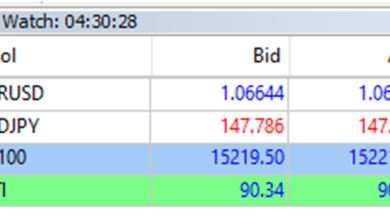
Major and minor pairs play a crucial role in the forex market, influencing global economies and trading strategies. Let’s delve into their significance and characteristics.
Major and Minor Pairs Overview
Major currency pairs are the most traded pairs in the forex market and include currencies of the world’s largest economies. These pairs are highly liquid and have tight spreads, making them popular among traders.






On the other hand, minor currency pairs, also known as cross currency pairs, do not include the US dollar. They are less liquid compared to major pairs, but still offer trading opportunities for those looking to diversify their portfolios.
Examples of Major Currency Pairs
- Euro/US Dollar (EUR/USD)
- US Dollar/Japanese Yen (USD/JPY)
- British Pound/US Dollar (GBP/USD)
- Australian Dollar/US Dollar (AUD/USD)
Examples of Minor Currency Pairs
- Euro/Japanese Yen (EUR/JPY)
- British Pound/Japanese Yen (GBP/JPY)
- Euro/British Pound (EUR/GBP)
- New Zealand Dollar/Canadian Dollar (NZD/CAD)
Characteristics of Major Pairs
Major currency pairs are known for their high liquidity and trading volume in the forex market. These pairs typically involve currencies from the world’s largest economies and are considered the most actively traded pairs. Here are some common characteristics of major pairs:
Liquidity Levels
Major pairs have higher liquidity levels compared to minor pairs. This means that traders can easily enter and exit positions in major pairs without causing significant price movements. The high liquidity of major pairs also leads to tighter spreads, making them more cost-effective to trade.
Influence of Global Economic Events
Major pairs are heavily influenced by global economic events and factors such as interest rate decisions, economic data releases, geopolitical developments, and central bank policies. Traders closely monitor these events to anticipate how major currencies will be affected, leading to increased volatility in major pairs during key announcements.
Characteristics of Minor Pairs
Minor currency pairs, also known as cross-currency pairs, do not include the US dollar as one of the currencies. They are formed by pairing two major currencies, excluding the USD. These pairs are less liquid and have wider spreads compared to major pairs.
Distinctive Features of Minor Pairs
- Minor pairs are composed of two major currencies without the US dollar.
- They are less traded and have lower liquidity levels than major pairs.
- Minor pairs can have higher transaction costs due to wider spreads.
Volatility Comparison with Major Pairs
Minor pairs tend to exhibit higher volatility compared to major pairs. The lower liquidity of minor pairs can lead to more significant price swings, which can present both opportunities and risks for traders.
Risk Factors Associated with Trading Minor Pairs
- Higher volatility in minor pairs can result in increased risk of slippage during trades.
- Less liquidity in minor pairs may lead to wider spreads, impacting the overall trading costs.
- Due to lower trading volumes, minor pairs are more susceptible to market manipulation by large players.
Trading Major Pairs
When it comes to trading in the forex market, major currency pairs are the most actively traded due to their high liquidity and stability. These pairs involve currencies of some of the world’s largest economies, making them popular among traders.
Trading Volume and Popularity
Major currency pairs such as EUR/USD, USD/JPY, and GBP/USD typically have the highest trading volumes in the forex market. Their popularity stems from the fact that they offer tight spreads and lower volatility compared to exotic pairs.
- EUR/USD is the most traded currency pair globally, representing a significant portion of daily trading volume.
- USD/JPY is also a highly liquid pair, often influenced by market sentiment and economic indicators from the U.S. and Japan.
- GBP/USD is known for its sensitivity to political developments in the UK and economic data releases from both countries.
Best Trading Strategies
When trading major pairs, it is important to consider using strategies that take advantage of their liquidity and predictable price movements. Some effective strategies include:
- Following trendlines and using technical analysis to identify entry and exit points.
- Utilizing fundamental analysis to stay informed about economic events that could impact currency prices.
- Implementing risk management techniques to protect your capital and minimize losses.
Impact of Economic Indicators
Major economic indicators such as GDP, inflation rates, interest rates, and employment data can have a significant impact on major currency pairs. Traders often closely monitor these releases as they can cause volatility and influence trading decisions.
For example, a better-than-expected GDP report in the U.S. could strengthen the USD against other major currencies like the EUR and JPY.
Trading Minor Pairs
When it comes to trading minor currency pairs, there are several considerations that traders need to keep in mind. These currency pairs involve currencies from smaller economies or emerging markets, which can bring both opportunities and challenges to traders.
Considerations when Trading Minor Pairs
- Volatility: Minor pairs tend to have higher volatility compared to major pairs, which can result in larger price swings and potentially higher profit opportunities.
- Liquidity: Minor pairs may have lower liquidity levels, leading to wider spreads and potentially higher trading costs.
- Market Hours: Some minor pairs may have limited trading hours, which can impact the ability to enter or exit trades at desired price levels.
- Economic Factors: Traders need to closely monitor economic developments in the countries of the minor pairs as they can have a significant impact on price movements.
Advantages and Disadvantages of Trading Minor Pairs
- Advantages:
- Potential for higher volatility and profit opportunities.
- Diversification of trading portfolio by including currencies from different regions.
- Less competition compared to major pairs, allowing for potential trading advantages.
- Disadvantages:
- Higher spreads and trading costs due to lower liquidity.
- Increased risk due to higher volatility and potentially sudden price movements.
- Limited availability of information and analysis compared to major pairs.
Tips for Managing Risks when Trading Minor Pairs
- Diversify your trading portfolio by including a mix of major and minor pairs to spread risk.
- Use appropriate risk management strategies such as setting stop-loss orders to limit potential losses.
- Stay informed about economic developments and news events that could impact the minor currencies you are trading.
- Start with smaller position sizes when trading minor pairs to manage risk effectively.
Relationship Between Major and Minor Pairs
The relationship between major and minor currency pairs in the forex market is crucial for traders to understand. Major pairs are the most traded pairs, involving currencies from the world’s largest economies, such as the US Dollar, Euro, Japanese Yen, British Pound, Swiss Franc, Canadian Dollar, and Australian Dollar. On the other hand, minor pairs consist of currency pairs that do not include the US Dollar, but still have liquidity and are actively traded.
Changes in major pairs can have a significant impact on minor pairs due to the interconnected nature of the forex market. For example, if there is a sudden strengthening of the US Dollar against the Euro (a major pair), this could also lead to a strengthening of the US Dollar against currencies in minor pairs that are correlated with the Euro, such as the Swiss Franc or the British Pound.
Correlations Between Major and Minor Pairs
- One common example of correlation between major and minor pairs is the relationship between the Euro (EUR/USD) and Swiss Franc (EUR/CHF). Since both pairs include the Euro, changes in the EUR/USD pair can often lead to similar movements in the EUR/CHF pair.
- Another example is the correlation between the Australian Dollar (AUD/USD) and New Zealand Dollar (NZD/USD) with the US Dollar. These minor pairs tend to move in tandem with each other and are also influenced by movements in major pairs involving the US Dollar.
- Additionally, the Japanese Yen (USD/JPY) is a major pair that can impact minor pairs like the Canadian Dollar (CAD/JPY) or the Australian Dollar (AUD/JPY) due to the influence of the Yen’s movements on other currency pairs.
Factors Influencing Major Pairs
Major currency pairs are influenced by various factors that impact their movements in the forex market. These factors play a crucial role in determining the strength or weakness of major pairs.
Geopolitical Events
Geopolitical events such as wars, elections, trade agreements, and diplomatic tensions can have a significant impact on major currency pairs. Any political instability or uncertainty in a region can lead to fluctuations in the value of major currencies.
Central Banks
Central banks of major economies play a vital role in influencing major currency pairs through monetary policy decisions. Interest rate changes, quantitative easing programs, and forward guidance statements issued by central banks can impact the value of major currencies.
Factors Influencing Minor Pairs
Minor currency pairs are influenced by a variety of factors that differ from those affecting major pairs. Understanding these unique influences is crucial for successful trading in the forex market.
Market Sentiment Impact
Market sentiment plays a significant role in influencing minor currency pairs. Traders’ perceptions of the market, including risk appetite and confidence levels, can directly impact the value of minor pairs. Positive sentiment can lead to increased demand for higher-yielding minor currencies, while negative sentiment may result in a flight to safety towards major pairs.
Role of Commodity Prices
Commodity prices also have a substantial effect on minor currency pairs, especially those linked to commodity-exporting countries. For instance, the Australian dollar (AUD) and Canadian dollar (CAD) are known as commodity currencies due to their strong correlation with the prices of commodities like gold, oil, and copper. Any fluctuations in commodity prices can directly influence the value of these minor pairs.
Risk Management Strategies for Major and Minor Pairs
When it comes to trading major and minor pairs in the forex market, implementing effective risk management strategies is crucial to protect your capital and maximize your potential profits. In this section, we will compare risk management approaches for both major and minor pairs and provide guidelines for setting stop-loss and take-profit levels. Additionally, we will discuss the importance of diversification in your trading portfolio.
Risk Management Approaches
- For major pairs, which are characterized by high liquidity and lower spreads, traders often use tighter stop-loss orders to minimize potential losses. This is because major pairs are less volatile compared to minor pairs.
- On the other hand, when trading minor pairs, which are less liquid and have wider spreads, traders may opt for wider stop-loss orders to account for the higher volatility. This helps prevent getting stopped out prematurely due to price fluctuations.
Setting Stop-Loss and Take-Profit Levels
- When setting stop-loss levels for major pairs, it is common to place them closer to the entry point, typically around 1-2% of the total account balance. This is due to the stability of major pairs.
- For minor pairs, traders may set stop-loss levels further away from the entry point, usually around 2-4% of the total account balance, to accommodate the higher volatility associated with these pairs.
- Take-profit levels for both major and minor pairs should be based on technical analysis, support and resistance levels, and overall market conditions. It is essential to have a clear exit strategy in place to lock in profits.
Importance of Diversification
- Diversification is key when trading major and minor pairs to spread risk across different assets and minimize potential losses. By diversifying your portfolio, you can offset losses in one pair with gains in another, providing a more balanced and stable trading approach.
- Traders should consider including a mix of major and minor pairs in their trading portfolio to capitalize on different market conditions and opportunities. This helps reduce overall risk and exposure to specific currency movements.
Last Word
As we conclude our discussion on major and minor pairs, it’s evident that understanding their dynamics is essential for successful trading in the currency market. By grasping the nuances of these pairs, investors can make informed decisions and navigate market fluctuations with confidence.

Hi, I’m Lauren. As a digital enthusiast and storyteller, I love breaking down complex ideas into easy-to-read articles. My goal is to provide readers with fresh perspectives and helpful solutions through every piece I write.