Market liquidity is a crucial aspect of financial markets that impacts asset prices and trading volumes. Let’s delve into the depths of this concept to uncover its significance and influence.
The following paragraphs explore different aspects of market liquidity, from its definition to measuring strategies and future trends.




Overview of Market Liquidity
Market liquidity refers to the ease with which an asset can be bought or sold in the market without significantly impacting its price. It is a crucial aspect of financial markets as it ensures that traders can enter and exit positions efficiently. High liquidity typically results in lower transaction costs and tighter bid-ask spreads, making it more attractive for investors.
Market depth is a key component of liquidity and refers to the volume of buy and sell orders at different price levels. A market with high depth indicates a large number of orders at various prices, providing more liquidity and stability. On the other hand, a market with low depth may experience price fluctuations and higher volatility due to fewer orders in the order book.
The level of liquidity in a market can have a significant impact on asset prices and trading volumes. Assets with high liquidity tend to have more stable prices and higher trading volumes, as there are more market participants willing to buy and sell. Conversely, assets with low liquidity may experience price slippage and wider bid-ask spreads, making it more challenging to execute trades without affecting the market price.
Impact of Liquidity on Asset Prices and Trading Volumes
Market liquidity plays a crucial role in determining asset prices and trading volumes. Here are some key points to consider:
- High liquidity leads to more efficient price discovery, as a large number of buyers and sellers interact in the market, reducing the impact of individual trades on prices.
- Assets with low liquidity may experience price gaps and slippage, where the execution price differs significantly from the expected price due to a lack of available orders.
- Trading volumes are typically higher in liquid markets, as traders can easily enter and exit positions without facing significant hurdles.
- Illiquid markets may see lower trading volumes and increased price volatility, as fewer participants are willing to trade at a given price.
Types of Market Liquidity
Market liquidity can be categorized into different types based on various factors that impact the ease of buying or selling assets. Understanding these types is crucial for investors in assessing the market conditions.
Bid-Ask Spread
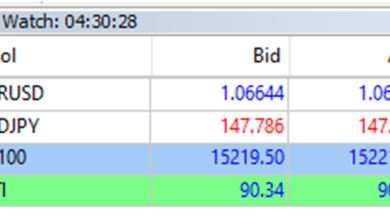
The bid-ask spread represents the difference between the highest price a buyer is willing to pay for an asset (bid) and the lowest price a seller is willing to accept (ask). A narrow bid-ask spread indicates high liquidity, as there is less of a price difference between buyers and sellers.
Trading Volume
Trading volume refers to the total number of shares or contracts traded in a specific period. Higher trading volume usually indicates higher liquidity, as there are more buyers and sellers actively participating in the market.
Tight vs. Wide Liquidity
Tight liquidity refers to a market with narrow bid-ask spreads, indicating high liquidity and easier trading. On the other hand, wide liquidity signifies a market with larger bid-ask spreads, making it more challenging to buy or sell assets quickly.
Assessing Liquidity for Investment Decisions
Market participants assess liquidity by analyzing bid-ask spreads, trading volume, depth of the market, and frequency of price changes. High liquidity is generally preferred by investors as it allows for easier entry and exit from positions, reducing the risk of price fluctuations impacting their trades.
Factors Influencing Market Liquidity
Market liquidity is influenced by various factors that play a crucial role in determining the ease with which assets can be bought or sold in the market. These factors impact the overall functioning and efficiency of financial markets, affecting the pricing of assets and the risk levels associated with trading activities.
Role of Economic Indicators
Economic indicators such as GDP growth, inflation rates, interest rates, and unemployment levels can significantly influence market liquidity. Positive economic data usually leads to increased investor confidence and higher trading volumes, enhancing liquidity in the market. On the other hand, negative economic indicators can result in decreased liquidity as investors become more risk-averse and hesitant to participate in trading activities.
Market Structure and Participants
The structure of the market, including the number of participants, trading volume, and market depth, also plays a vital role in determining market liquidity. Markets with a large number of active participants, such as institutional investors, hedge funds, and retail traders, tend to have higher liquidity levels. Additionally, the presence of market makers and liquidity providers who facilitate trading by offering bid and ask prices can enhance liquidity by ensuring continuous trading activity.
Impact of Regulatory Changes
Regulatory changes implemented by government agencies or regulatory bodies can have a significant impact on market liquidity. New regulations or changes in existing rules can affect trading behaviors, market transparency, and risk management practices, thereby influencing liquidity levels. For example, stricter regulations may lead to reduced market liquidity as participants adapt to comply with new requirements, potentially causing disruptions in trading activities.
Measuring Market Liquidity
When it comes to measuring market liquidity, there are several common metrics that investors and financial institutions use to assess the ease of buying or selling assets. These metrics provide valuable insights into the market dynamics and help in making informed decisions.
Bid-Ask Spreads
Bid-ask spreads are one of the most widely used indicators of liquidity. This metric represents the difference between the highest price a buyer is willing to pay (bid) and the lowest price a seller is willing to accept (ask). A narrow bid-ask spread indicates high liquidity, as there is minimal difference between buying and selling prices.
Trading Volumes
Another important metric for measuring liquidity is trading volumes. High trading volumes suggest active participation in the market, making it easier for investors to buy and sell assets without significantly impacting prices. Low trading volumes, on the other hand, may indicate lower liquidity and potential price volatility.
Significance of Liquidity Indicators for Investors
- Bid-ask spreads and trading volumes provide valuable information to investors about the ease of executing trades and the potential costs involved.
- These indicators help investors assess the risk of facing price fluctuations and the ability to enter or exit positions quickly.
- By monitoring liquidity metrics, investors can make more informed decisions about portfolio management and risk exposure.
Assessment and Management of Liquidity Risk
Liquidity risk refers to the potential for assets to become difficult to buy or sell without significantly impacting their prices. Financial institutions assess liquidity risk by analyzing factors such as market conditions, asset liquidity, and funding sources. To manage liquidity risk effectively, institutions implement strategies such as maintaining sufficient cash reserves, diversifying funding sources, and stress testing liquidity positions.
Liquidity in Different Asset Classes
When it comes to market liquidity, different asset classes exhibit varying levels of liquidity that can impact trading dynamics and pricing. Understanding how liquidity differs across asset classes is crucial for investors and traders to make informed decisions.
Equities
Equities, or stocks, are known for their relatively high liquidity compared to other asset classes. This is due to the large number of buyers and sellers in the stock market, leading to tight bid-ask spreads and efficient price discovery. As a result, trading equities is typically easier and faster, with lower transaction costs.
Bonds
Bonds, on the other hand, tend to be less liquid than equities. The bond market is decentralized, with fewer participants and less frequent trading activity. This can make it challenging to buy or sell bonds at desired prices, especially for less actively traded bonds. Illiquidity in the bond market can lead to wider spreads and greater price volatility.
Commodities
Commodities represent another asset class with unique liquidity characteristics. Certain commodities, such as gold or crude oil, may have high liquidity due to their global demand and active markets. However, other commodities, like agricultural products or rare metals, can be less liquid, making it harder to execute trades without impacting prices significantly.
It’s important to consider the liquidity of different asset classes when constructing a diversified portfolio to ensure ease of trading and price stability.
Relationship between Liquidity and Volatility
The level of liquidity in a particular asset class can influence its price volatility. Generally, assets with higher liquidity tend to have lower volatility as there are more buyers and sellers to absorb price fluctuations. Conversely, illiquid assets are more prone to sharp price swings since trading activity is limited.
In conclusion, understanding the nuances of liquidity in different asset classes is essential for investors to navigate the markets effectively and manage risks associated with trading illiquid assets. By considering liquidity alongside other factors, such as volatility and correlation, investors can optimize their portfolios for better performance and risk management.
Liquidity Provision Strategies
In the financial markets, liquidity provision strategies play a crucial role in ensuring smooth and efficient trading. Market participants employ various strategies to provide liquidity, with high-frequency trading and algorithmic trading being among the most common approaches. These strategies involve the rapid execution of trades using advanced technologies and algorithms to take advantage of small price differentials and provide liquidity to the market.
High-Frequency Trading
High-frequency trading (HFT) is a strategy that involves executing a large number of trades in a fraction of a second. This strategy relies on speed and technological advancements to capitalize on market inefficiencies and generate profits. HFT firms use powerful computers and algorithms to analyze market data and execute trades at lightning-fast speeds. While HFT can significantly enhance market liquidity by increasing trading activity, it also poses certain risks such as market manipulation and increased market volatility.
Algorithmic Trading
Algorithmic trading is another popular liquidity provision strategy that involves the use of pre-programmed instructions to execute trades automatically. These algorithms are designed to react to market conditions and execute trades based on predefined parameters. Algorithmic trading helps improve liquidity by providing continuous buy and sell orders in the market. However, similar to HFT, algorithmic trading can also lead to potential risks such as sudden market fluctuations and heightened systemic risks.
Role of Liquidity Providers
Liquidity providers play a vital role in maintaining orderly markets by ensuring that there are enough buyers and sellers in the market. These market participants act as intermediaries by buying and selling assets to provide liquidity to other traders. By quoting bid and ask prices, liquidity providers help narrow the bid-ask spread and facilitate smooth trading. They help reduce transaction costs, enhance market efficiency, and mitigate price volatility. Overall, liquidity providers contribute to the overall health and stability of financial markets.
Liquidity Crises and Contagion Effects
When financial markets face a liquidity crisis, it can have far-reaching consequences that extend beyond individual assets or institutions. These crises are often characterized by a sudden shortage of liquidity, leading to increased volatility, sharp price declines, and a lack of market depth. In extreme cases, liquidity shortages can trigger contagion effects, where problems in one part of the market spread rapidly to other sectors, causing systemic risks that threaten the stability of the entire financial system.
Historical Examples of Liquidity Crises
- The Asian Financial Crisis of 1997: This crisis originated in Thailand as a result of a sharp devaluation of the Thai baht. The lack of liquidity in the region led to a domino effect that spread to other Asian countries, causing widespread economic turmoil.
- The Global Financial Crisis of 2007-2008: The collapse of the subprime mortgage market in the United States triggered a liquidity crisis that quickly spread to financial institutions worldwide. The interconnectedness of the global financial system amplified the contagion effects, leading to a severe recession.
Role of Central Banks and Regulators
- Central banks play a crucial role in preventing and managing liquidity crises by providing emergency funding to financial institutions, conducting open market operations, and implementing monetary policy measures to stabilize markets.
- Regulators oversee the financial system to ensure that institutions maintain adequate liquidity buffers, adhere to risk management practices, and comply with regulatory requirements to prevent the buildup of systemic risks.
Market Liquidity and Investor Behavior
Market liquidity plays a significant role in shaping investor behavior in financial markets. It can influence decisions ranging from individual trades to overall risk management strategies. Understanding how market liquidity affects investor behavior is crucial for navigating the complexities of the financial world.
When liquidity is abundant, investors may feel more confident in their ability to buy or sell assets without significantly impacting prices. This can lead to a sense of security and encourage more active trading. On the other hand, when liquidity dries up, investors may become hesitant to enter or exit positions, fearing that they may not be able to find a counterparty at a favorable price. This can result in herding behavior, where investors follow the actions of others rather than making independent decisions.
Impact of Liquidity Constraints on Portfolio Diversification and Risk Management
Liquidity constraints can have a profound impact on portfolio diversification and risk management strategies. When liquidity is limited, it becomes more challenging to adjust portfolio allocations quickly and efficiently. This can hinder the ability to diversify holdings across different asset classes and geographies, increasing the overall risk exposure of the portfolio.
Moreover, liquidity constraints can amplify the impact of market downturns or unexpected events. If investors are unable to liquidate assets easily during times of distress, they may be forced to accept lower prices or incur significant losses. This highlights the importance of maintaining a well-diversified portfolio that can withstand fluctuations in liquidity conditions.
Relationship Between Investor Sentiment and Liquidity Conditions
Investor sentiment and liquidity conditions are closely intertwined in financial markets. Positive investor sentiment can contribute to a buoyant market environment with ample liquidity, as investors feel more willing to take on risk and engage in trading activities. Conversely, negative sentiment can trigger a flight to safety, leading to a drying up of liquidity as investors seek to exit positions and preserve capital.
It is essential for investors to monitor both sentiment indicators and liquidity metrics to gauge market conditions accurately. By understanding the relationship between investor sentiment and liquidity, investors can make more informed decisions about their portfolios and risk exposures.
Future Trends in Market Liquidity
Technological advancements, such as blockchain and AI, are expected to have a significant impact on market liquidity in the future. These innovations have the potential to streamline trading processes, increase transparency, and improve efficiency in the financial markets. As automation and digitization continue to evolve, market participants will likely experience changes in liquidity dynamics, market structure, and regulatory frameworks.
Impact of Blockchain and AI
Blockchain technology, known for its decentralized and secure nature, could revolutionize the way financial transactions are conducted. By enabling faster settlement times, reducing counterparty risks, and enhancing data integrity, blockchain has the potential to increase market liquidity by attracting more participants and facilitating smoother trading activities. Similarly, artificial intelligence (AI) tools can help market participants analyze vast amounts of data, identify trading patterns, and make more informed decisions, ultimately enhancing liquidity provision and market efficiency.
Changes in Market Structure and Regulations
As technological advancements reshape the financial landscape, regulators may need to adapt existing regulations or introduce new rules to address emerging challenges. Changes in market structure, such as the rise of decentralized finance (DeFi) platforms and the proliferation of algorithmic trading, could impact liquidity dynamics and market stability. Regulatory initiatives aimed at promoting transparency, preventing market abuse, and ensuring fair competition may influence how liquidity is managed and provided in the future.
Emerging Trends in Liquidity Management
Market participants are increasingly exploring innovative liquidity management strategies to optimize their trading activities and mitigate risks. From utilizing high-frequency trading algorithms to engaging in cross-asset liquidity provision, firms are adapting to changing market conditions and seeking competitive advantages. The integration of new technologies, data analytics, and risk management tools is likely to shape the future of liquidity management practices, offering market participants new opportunities to enhance performance and resilience in dynamic market environments.
Final Conclusion
In conclusion, market liquidity plays a vital role in shaping investor behavior and market dynamics. Understanding its complexities is key to navigating the financial world with confidence.

Hi, I’m Lauren. As a digital enthusiast and storyteller, I love breaking down complex ideas into easy-to-read articles. My goal is to provide readers with fresh perspectives and helpful solutions through every piece I write.