Bull and bear market sets the stage for this enthralling narrative, offering readers a glimpse into a story that is rich in detail and brimming with originality. Exploring the dynamics of these markets sheds light on investment strategies and market trends that shape the financial landscape.
Definition of Bull and Bear Markets
In the financial world, a bull market is characterized by rising prices and investor optimism. It typically refers to a sustained period where the overall market is on an upward trend.




On the other hand, a bear market signifies a downward trend in the market, with falling prices and a general sense of pessimism among investors. It is often associated with a decline of 20% or more from recent highs.
Characteristics of Bull and Bear Markets
- Bull Market:
- Increasing stock prices
- Positive investor sentiment
- Economic growth and high employment rates
- Higher trading volumes
- Bear Market:
- Decreasing stock prices
- Negative investor sentiment
- Economic downturn or recession
- Lower trading volumes
Causes of Bull and Bear Markets
In the financial world, bull and bear markets are driven by various factors that influence investor sentiment and market dynamics.
Factors Driving a Bull Market
A bull market is characterized by rising stock prices and investor optimism. Several factors can contribute to the onset and continuation of a bull market:
- Strong economic growth: When the economy is performing well, companies tend to report higher earnings, leading to increased investor confidence.
- Low interest rates: Lower interest rates make borrowing cheaper, encouraging spending and investment in the stock market.
- Positive corporate earnings: Companies exceeding earnings expectations can attract more investors, driving stock prices higher.
Reasons Leading to a Bear Market
On the other hand, a bear market is characterized by falling stock prices and pessimism among investors. Several reasons can trigger a bear market:
- Economic downturn: A recession or economic slowdown can lead to lower corporate profits and decreased investor confidence.
- Rising interest rates: Higher borrowing costs can hamper consumer spending and business investment, negatively impacting stock prices.
- Geopolitical instability: Events such as wars, political unrest, or trade disputes can create uncertainty in the market and drive investors towards safer assets.
Examples of Historical Events
Throughout history, various events have triggered both bull and bear markets:
- Great Depression (1929): The stock market crash of 1929 led to a prolonged bear market and economic downturn.
- Dot-com Bubble (2000): The burst of the dot-com bubble caused a bear market as many technology companies saw their stock prices plummet.
- Global Financial Crisis (2008): The subprime mortgage crisis triggered a bear market as financial institutions faced collapse and stock markets tumbled worldwide.
Market Indicators in a Bull Market
In a bull market, investors are optimistic about the future performance of the market. This is generally characterized by rising stock prices, high trading volume, and overall confidence in the economy. It is crucial for investors to understand key indicators that signal a bull market, how to capitalize on it, and strategies to maximize profits.
Key Indicators of a Bull Market
- Increasing Stock Prices: One of the most obvious indicators of a bull market is a sustained increase in stock prices across various sectors.
- High Trading Volume: In a bull market, there is typically high trading volume as more investors are actively buying and selling stocks.
- Positive Economic Data: Positive economic indicators like low unemployment rates, strong GDP growth, and high consumer confidence can signal a bull market.
- Leading Indicators: Leading indicators such as the performance of leading stocks, interest rates, and market breadth can help predict a bull market.
Capitalizing on a Bull Market
- Diversification: Investors can capitalize on a bull market by diversifying their portfolio across different asset classes and sectors to reduce risk.
- Buy and Hold Strategy: Adopting a buy and hold strategy can be beneficial in a bull market as investors can ride the upward trend of the market.
- Regular Monitoring: It is essential for investors to regularly monitor their investments and market trends to make informed decisions during a bull market.
Maximizing Profits in a Bull Market
- Sell High: Investors can maximize profits in a bull market by selling stocks when they are at their peak value to lock in gains.
- Implement Stop-Loss Orders: Setting stop-loss orders can help protect profits and limit losses in case of a market downturn.
- Reinvest Dividends: Reinvesting dividends can help compound returns and maximize profits over the long term in a bull market.
Market Indicators in a Bear Market
During a bear market, investors often look for specific indicators that can help them anticipate the downturn and adjust their strategies accordingly.
One key indicator that suggests a bear market is approaching is a sustained period of declining stock prices across various sectors. This can be accompanied by high levels of market volatility and increasing investor pessimism.
Defensive Investment Strategies for a Bear Market
In a bear market, investors may consider shifting their focus towards defensive investment strategies that aim to minimize losses and preserve capital. Some common defensive strategies include:
- Investing in bonds or fixed-income securities, which tend to be less volatile than stocks.
- Allocating a portion of the portfolio to defensive sectors such as utilities, consumer staples, and healthcare.
- Utilizing options or derivatives to hedge against potential losses in the stock market.
- Increasing cash holdings to take advantage of buying opportunities when markets bottom out.
Assets that Tend to Perform Well During Bear Markets
Certain assets have historically shown resilience during bear markets and may provide a safe haven for investors. Examples of assets that tend to perform well during bear markets include:
- Gold and other precious metals, which are considered safe-haven assets that retain their value in times of market turmoil.
- Government bonds, particularly those with high credit ratings, as they are seen as low-risk investments during economic downturns.
- Defensive stocks of companies that offer essential products or services, such as healthcare or food companies, which tend to be less affected by economic cycles.
- Real estate investment trusts (REITs) that generate stable income from properties, providing a reliable source of cash flow during volatile market conditions.
Investor Sentiment in Bull and Bear Markets
In both bull and bear markets, investor sentiment plays a crucial role in shaping market trends. Understanding how investor sentiment differs between these two market phases is essential for successful investing.
Bull Market
In a bull market, investor sentiment is generally optimistic and positive. Investors feel confident about the future prospects of the market and are more willing to take risks. This optimism often leads to a buying frenzy, with investors eager to capitalize on the upward momentum of stock prices. Greed tends to dominate in a bull market, as investors chase higher returns and fear missing out on potential gains.
- Investors exhibit high confidence in the market and tend to be more willing to invest in riskier assets.
- Market indicators such as rising stock prices, low volatility, and high trading volumes reflect the positive sentiment in a bull market.
- There is a sense of euphoria among investors, with many expecting the market to continue its upward trajectory indefinitely.
Bear Market
Conversely, in a bear market, investor sentiment is characterized by fear and pessimism. Investors become wary of the market’s downward trend and are more likely to sell off their investments to limit losses. Fear drives many investors to panic sell, exacerbating the market decline. Greed is replaced by fear in a bear market, as investors focus on preserving capital rather than maximizing returns.
- Investors experience heightened anxiety and uncertainty, leading to a flight to safety as they seek refuge in less risky assets such as bonds or cash.
- Market indicators like falling stock prices, increased volatility, and low trading volumes reflect the negative sentiment prevailing in a bear market.
- There is a sense of despondency among investors, with many expecting the market downturn to persist and lead to further losses.
Impact of Economic Factors on Bull and Bear Markets
Economic factors play a crucial role in influencing the direction and duration of bull and bear markets. These factors can have a profound impact on investor sentiment, market trends, and overall market conditions.
Interest Rates and Market Cycles
Interest rates have a direct correlation with the onset and duration of bull and bear markets. Lower interest rates typically stimulate economic growth by encouraging borrowing and spending, leading to a bull market. Conversely, higher interest rates can slow down economic activity, dampen consumer spending, and result in a bear market.
Inflation and Market Trends
Inflation is another key economic indicator that can influence bull and bear markets. High inflation erodes purchasing power, leading to decreased consumer spending and investment, which can trigger a bear market. On the other hand, moderate inflation can indicate a healthy economy and support a bull market.
Government Policies and Market Conditions
Government policies, such as fiscal and monetary measures, can significantly impact market conditions during bull and bear phases. For example, expansionary fiscal policies like increased government spending can stimulate economic growth and support a bull market. Conversely, contractionary monetary policies aimed at curbing inflation can lead to a bear market as they restrict liquidity and dampen investor confidence.
Historical Examples of Bull and Bear Markets
The history of financial markets is filled with instances of both bull and bear markets, each driven by unique factors and events that shaped investor sentiment and market dynamics. Let’s explore some famous examples to understand the impact of historical events on market cycles.
Famous Bull Market: The Roaring Twenties
The 1920s saw one of the most iconic bull markets in history, known as the Roaring Twenties. This period of economic prosperity in the United States was fueled by technological advancements, mass production, and a booming stock market. The introduction of new consumer goods, such as automobiles and radios, led to a surge in consumer spending and investor optimism. The stock prices soared, and many investors enjoyed significant gains during this period.
Major Event Impact on Bear Market: The Great Depression
The euphoria of the Roaring Twenties came to a crashing halt with the onset of the Great Depression in 1929. The stock market crash of October 1929 wiped out billions of dollars in wealth, leading to a prolonged bear market that lasted for years. The economic downturn, widespread unemployment, and banking failures contributed to a severe contraction in economic activity. Investor confidence plummeted, and the bear market persisted until the early 1940s.
Lessons Learned from Historical Market Cycles
– Market cycles are inevitable and driven by a complex interplay of economic, social, and political factors.
– Investor sentiment plays a crucial role in determining market trends, leading to periods of irrational exuberance and excessive pessimism.
– Understanding historical market cycles can help investors navigate volatile market conditions and make informed decisions based on past trends and patterns.
Investor Strategies During Bull and Bear Markets
In both bull and bear markets, investors need to adopt different strategies to maximize their returns and minimize risks. Understanding the characteristics of each market condition is crucial for making informed investment decisions.
Different Investment Approaches Suitable for Bull Markets
In a bull market, where stock prices are rising, investors tend to be more optimistic and confident in the overall market. Some suitable investment approaches for bull markets include:
- Aggressive growth investing focusing on high-growth companies
- Momentum investing to capitalize on upward trends
- Buying on dips to take advantage of temporary price declines
- Utilizing leverage to amplify returns
Strategies Investors Employ to Navigate a Bear Market
During a bear market, characterized by falling stock prices and overall pessimism, investors need to adjust their strategies to protect their portfolios and minimize losses. Some common strategies employed in bear markets include:
- Defensive investing in stable, dividend-paying stocks
- Short-selling to profit from declining prices
- Asset allocation to reduce risk exposure
- Implementing stop-loss orders to limit potential losses
Tips for Creating a Diversified Portfolio
Creating a diversified portfolio is essential for weathering market fluctuations and reducing risk. Some tips for creating a diversified portfolio that can withstand market volatility include:
- Investing in a mix of asset classes such as stocks, bonds, and real estate
- Allocating investments across different sectors and industries
- Rebalancing the portfolio regularly to maintain diversification
- Considering alternative investments like commodities or precious metals
Market Predictions and Forecasting Tools
Predicting bull and bear markets is crucial for investors to make informed decisions and manage risks effectively. Various tools and techniques are commonly used in the financial industry to forecast market trends, although there are limitations to their accuracy.
Technical Analysis
Technical analysis involves studying historical price movements and trading volumes to identify patterns that can help predict future market directions. Analysts use tools like moving averages, support and resistance levels, and chart patterns to make forecasts. However, it’s important to note that technical analysis is not foolproof and can sometimes provide conflicting signals.
Fundamental Analysis
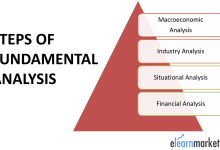
Fundamental analysis examines the underlying financial health and performance of companies, industries, and economies to determine their intrinsic value. By analyzing factors like earnings reports, economic indicators, and geopolitical events, investors can forecast market trends. Yet, fundamental analysis can be subjective and may not always accurately predict market movements.
Sentiment Analysis
Sentiment analysis gauges the mood and behavior of market participants to anticipate potential shifts in market direction. By monitoring indicators like investor surveys, social media sentiment, and news sentiment, analysts can assess market sentiment. However, sentiment analysis can be influenced by emotions and biases, leading to unreliable predictions.
Machine Learning and AI
Machine learning algorithms and artificial intelligence are increasingly utilized to analyze vast amounts of data and identify patterns that human analysts may overlook. By leveraging predictive modeling and data mining techniques, investors can make more data-driven forecasts. Nevertheless, machine learning models are not infallible and may still yield inaccurate predictions.
Limitations of Forecasting Tools
While forecasting tools provide valuable insights, they are not without limitations. Market uncertainties, unexpected events, and external factors can impact market movements, making it challenging to predict with absolute certainty. Investors should use forecasting data as a guide rather than a definitive prediction and exercise caution when making investment decisions based on forecasts.
Final Review
In conclusion, navigating the realms of bull and bear markets requires a deep understanding of market indicators, investor sentiment, and economic factors. By learning from historical examples and adopting sound investment strategies, investors can thrive in both market conditions.

Hi, I’m Lauren. As a digital enthusiast and storyteller, I love breaking down complex ideas into easy-to-read articles. My goal is to provide readers with fresh perspectives and helpful solutions through every piece I write.